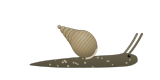
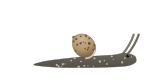
Great pond snail
Lymnaea stagnalis
A large coldwater pond snail that breathes air at the surface and eats soft plants and other snails' eggs; for coldwater tanks, not tropical planted ones.
Key facts
- Body length
- 2 in without fins
- Minimum tank
- 7 gallons
- Group
- Alone is fine
- Temperament
- Peaceful
- Care level
- 1 / 5
- Lifespan
- Not well documented
- Diet
- Vegetables, algae, soft plants, leftovers
- Origin
- Europe, Asia and North America
- Hardier than97%
- Bigger than29%
- Calmer than68%
Water: their range vs yours
Great pond snail tank mates
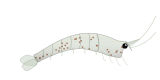
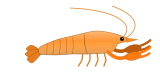
- Cherry shrimpGets along in shared water.Good mates
- Amano shrimpGets along in shared water.Good mates
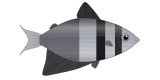
- Black widow tetraGets along in shared water.Good mates
- GoldfishGets along in shared water.Good mates
- Peppered coryGets along in shared water.Good mates
- Rosy barbGets along in shared water.Good mates
- White Cloud Mountain minnowGets along in shared water.Good mates
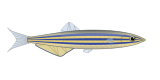
- Zebra danioGets along in shared water.Good mates
- Bladder snailGets along in shared water.Good mates
- Dwarf orange crayfishGets along in shared water.Good mates
- Ramshorn snailGets along in shared water.Good mates
- Celestial pearl danioGets along in shared water.Good mates
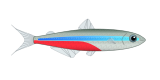
- Neon tetraGreat pond snail needs cool water; neon tetras need tropical heat.Risky
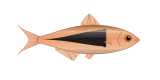
- Harlequin rasboraGreat pond snail needs cool water; harlequin rasboras need tropical heat.Risky
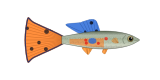
- Fancy guppyGreat pond snail needs cool water; fancy guppies need tropical heat.Risky
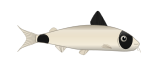
- Panda corydorasGreat pond snail needs cool water; panda corydoras need tropical heat.Risky
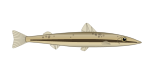
- OtocinclusGreat pond snail outcompetes the slow-eating Otocinclus for food; target-feed to make sure it eats.Risky
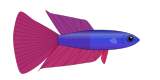
- BettaGreat pond snail needs cool water; bettas need tropical heat.Risky
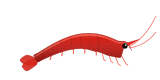
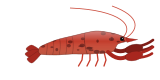
- Red swamp crayfishRed swamp crayfish eats snails: Great pond snail.Avoid
- Figure eight pufferFigure eight puffer eats snails: Great pond snail.Avoid
- Green spotted pufferGreen spotted puffer eats snails: Great pond snail.Avoid
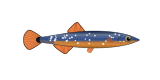
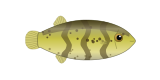
- Pea pufferPea puffer nips fins; Great pond snail is vulnerable (slow swimmer).Avoid

How we check
The numbers the tank model uses for great pond snails: water as ideal and tolerated ranges, bioload from adult mass, space, flow and how they act on other species.
- Standard length
- 5 cm (shell)
- Adult mass
- 0.75 g
- Bioload at 25 °C
- 1.01 BU
- Min. water
- 20 L net
- Group
- 1+ (best 2)
- Swims in
- bottom, surface
- Flow
- still
- Body / fins
- invertebrate, normal fins
- Diet type
- omnivore plant
- Fin nipper
- none
- Sensitive to
- copper
Sources: Wikipedia: Lymnaea stagnalis
Care notes
Great pond snails live across Europe, Asia and North America and have shells about 2 inches long. They are hermaphrodites that breathe air at the surface.
They chew soft plants, so they suit an unheated tank rather than a tropical aquascape. Do not bring them in from wild ponds, as they host parasites such as the flukes behind swimmer's itch.
Questions
What size tank does a great pond snail need?
At least 7 gallons (20 litres of water after decor). Adults reach about 2 inches without fins.
How many great pond snails should be kept together?
One is fine. They do not need company of their own kind.
What water do great pond snails need?
50–77 °F, pH 7–8.5 and 0–0 dGH. Great pond snails come from Europe, Asia and North America.
How long do great pond snails live?
Not well documented with good care.
What fish can live with great pond snails?
Good tank mates include Cherry shrimp, Amano shrimp, Black widow tetra, Goldfish and Peppered cory. Each is checked both ways for size, fin nipping, temperament, territory and shared water.