Who fits your tank?
Every badge checks the species against your current tank: its size, water and everyone already living there.
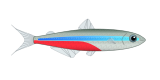
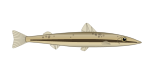
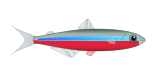
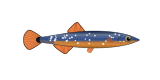
Neon tetra
…Paracheirodon innesiThe classic community fish: a tight school of electric-blue stripes that suits planted tanks of 15 gallons and up.
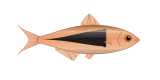
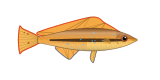
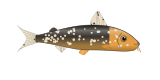
1.5 in · schooling · 70–77°F · pH 5–7Harlequin rasbora
…Trigonostigma heteromorphaCopper-orange schooling fish with a black wedge; hardy, calm and a good first school for a 15–20 gallon tank.
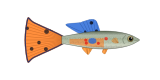
2 in · schooling · 73–81°F · pH 6–7Fancy guppy
…Poecilia reticulataColourful livebearers with flowing tails; prefer harder water and breed readily, so plan for fry.
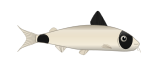
2 in · livebearer · 75–81°F · pH 7–8Panda corydoras
…Corydoras pandaFriendly armoured catfish that sift the sand in groups; need soft substrate and a group of six or more.
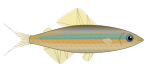
2 in · bottom · 72–77°F · pH 6–7.2Otocinclus
…Otocinclus vittatusTiny algae grazers for mature planted tanks; keep six or more and supplement with vegetables.
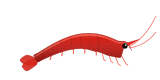
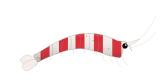
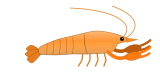
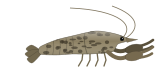
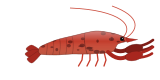
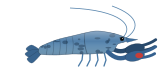
1.5 in · algae eater · 72–79°F · pH 6–7.2Cherry shrimp
…Neocaridina davidiBright red dwarf shrimp that graze all day and breed in a planted tank; tiny bioload, but fry are snacks for most fish.
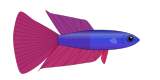
1.5 in · grazer · 72–75°F · pH 6.5–7.8Betta
…Betta splendensThe Siamese fighting fish: one male per tank, warm still water, and no long-finned or nippy tank mates.
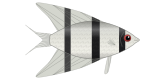
2.5 in · solo · 72–86°F · pH 6–7.5Angelfish
…Pterophyllum scalareTall, graceful cichlids for tall tanks of 30 gallons and up; adults eat neon tetras and shrimp, so stock around them.
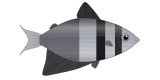
6 in tall · cichlid · 77–84°F · pH 6–7Tiger barb
…Puntigrus tetrazonaBold, fast barbs that nip fins; great in a busy group of ten, a poor match for slow or long-finned fish.
3 in · fin nipper · 72–79°F · pH 6–7.5Amano shrimp
…Caridina multidentataThe best-known algae-eating shrimp, made famous by Takashi Amano; bigger than cherries and a good fit for planted community tanks.
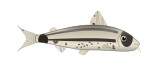
2 in · grazer · 72–77°F · pH 6.5–7.5Black neon tetra
…Hyphessobrycon herbertaxelrodiA peaceful tetra with a bright white-over-black stripe; hardier than the neon tetra and an easy fit in any calm community tank.
1.5 in · schooling · 73–81°F · pH 5.5–7.5Black widow tetra
…Gymnocorymbus ternetziA hardy, deep-bodied tetra with black 'skirt' fins; easy for beginners, but a small group nips the fins of its tank mates.
2.5 in · peaceful · 68–79°F · pH 6–7Blood parrot cichlid
…hybridA man-made hybrid cichlid with a round body and a beak-like mouth that barely closes; usually gentle and rarely able to swallow tank mates.
8 in · cichlid · 72–82°F · pH 6.5–8Blue dolphin cichlid
…Cyrtocara mooriiA sky-blue Malawi cichlid with a fatty forehead hump; calm and sociable over open sand, but no match for boisterous mbuna.
10 in · peaceful · 77–81°F · pH 8–8.5Bristlenose pleco
…Ancistrus cf. cirrhosusThe go-to glass cleaner: a compact 5-inch pleco with bushy whiskers on the males that needs a cave and vegetables, not just algae.
5 in · bottom · 70–79°F · pH 5.5–7.5Bronze cory
…Corydoras aeneusThe most widely kept cory: a tough bronze-green or albino catfish that shoals along the bottom and handles a broad range of water.
3 in · bottom · 70–81°F · pH 6–8Cardinal tetra
…Paracheirodon axelrodiThe neon's close cousin, with red running the full length of the belly; a soft, acidic-water schooling fish that likes it warmer than neons.
1.5 in · schooling · 73–81°F · pH 4–6Cherry barb
…Puntius titteyaOne of the most peaceful barbs: males glow cherry red and leave fins alone, making it great for planted community tanks.
2 in · peaceful · 73–81°F · pH 6–8Chinese algae eater
…Gyrinocheilus aymonieriA popular sucker-mouth 'cleaner' that reaches 11 inches and turns aggressive with age, sometimes rasping the slime coat off other fish.
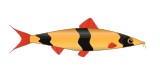
11 in · algae eater · 72–79°F · pH 6–8Clown loach
…Chromobotia macracanthusA bold orange-and-black loach that lives 20 years and grows over a foot long, so a proper group needs a 6-foot tank.
16 in · peaceful · 75–86°F · pH 5–7Common pleco
…Pterygoplichthys pardalisThe classic store 'algae eater' that grows to nearly two feet, fouls the water and eats less algae with age; a fish for very large tanks only.
23 in · bottom · 77–82°F · pH 7–7.5Convict cichlid
…Amatitlania nigrofasciataA tough Central American cichlid that breeds almost anywhere, and is aggressive enough to attack fish several times its size.
6 in · cichlid · 75–82°F · pH 7–8Demasoni
…Chindongo demasoni (syn. Pseudotropheus demasoni)A small blue-and-black striped mbuna with outsized aggression; it attacks much larger fish and is kept only in large, crowded groups.
3 in · cichlid · 75–82°F · pH 8.2–8.5Discus
…Symphysodon aequifasciatus (species complex)The 'king of the aquarium': a disc-shaped Amazon cichlid in countless bred colours that needs warm, soft, very clean water.
5.5 in · peaceful · 79–86°F · pH 5–7Dwarf gourami
…Trichogaster laliusA bright little gourami popular with beginners; one male per tank, no bettas, and buy carefully, as imported fish often carry an incurable iridovirus.
3 in · solo · 72–81°F · pH 6–7.5Fairy cichlid
…Neolamprologus brichardiA graceful Tanganyika cichlid with a lyre tail; one pair grows into a family colony that guards its rocks year-round.
3.5 in · cichlid · 73–79°F · pH 8–9Firemouth cichlid
…Thorichthys meekiA Central American cichlid with a fiery red throat it flares when threatened; fairly calm for a cichlid but territorial when breeding.
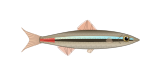
4.5 in · cichlid · 75–82°F · pH 6.5–8.5Glowlight tetra
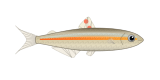
…Hemigrammus erythrozonusA small, translucent tetra with a glowing orange stripe along its body; peaceful, hardy and at its best in a densely planted tank.
1.5 in · peaceful · 75–82°F · pH 6–7.5Golden mbuna
…Melanochromis auratusA striped gold mbuna and one of the most aggressive Malawi cichlids; it kills rival males, so plan a crowded harem tank of 55 gallons or more.
4.5 in · cichlid · 75–82°F · pH 7.6–8.8Goldfish
…Carassius auratusThe coldwater classic with hundreds of breeds; lives 10–15 years or more, makes lots of waste and needs a roomy, well-filtered tank.
6 in · peaceful · 50–75°F · pH 6.5–8Honey gourami
…Trichogaster chunaA small, very gentle honey-coloured gourami for calm tanks of 15 gallons with peaceful tank mates.
2 in · peaceful · 72–81°F · pH 6–7.5Iridescent shark
…Pangasianodon hypophthalmusA silver 'shark' sold at 2–3 inches that is really a food-fish catfish growing past 3 feet; no home aquarium is big enough.
51 in · peaceful · 72–79°F · pH 6.5–7.5Jewel cichlid
…Rubricatochromis bimaculatus (syn. Hemichromis bimaculatus)A blazing red West African cichlid that holds its territory year-round and turns extremely aggressive when spawning; best kept as a pair on its own.
6 in · cichlid · 72–82°F · pH 6–7.8Kribensis
…Pelvicachromis pulcherA small West African cichlid whose female has a bright belly; a cave-spawning pair digs pits and guards fry along the bottom.
4 in · bottom · 75–81°F · pH 6.5–7Kuhli loach
…Pangio semicinctaA banded, eel-like loach of about 4 inches that burrows by day and explores the bottom as a group in the evening; needs soft sand.
4 in · bottom · 70–79°F · pH 3.5–7Leopard sailfin pleco
…Pterygoplichthys gibbicepsA tall-finned pleco with a brocade pattern that is sold at 2 inches and grows to about 20, needing a very large tank and heavy filtration.
20 in · bottom · 77–86°F · pH 5–7Molly
…Poecilia sphenopsA sturdy livebearer that needs hard water and plenty of plant food, and does well in slightly brackish conditions.
3 in · livebearer · 70–82°F · pH 7–8.5Multies
…Neolamprologus multifasciatusThe smallest Tanganyika cichlid, about 2 inches, living in empty snail shells; a colony carves the sand into tiny fiercely guarded plots.
2 in · bottom · 77–80°F · pH 8–8.5Oscar
…Astronotus ocellatusA big, intelligent Amazon cichlid that learns its owner and begs for food; it swallows any fish that fits and rearranges the tank.
14 in · predator · 72–77°F · pH 6–7.5Peacock cichlid
…Aulonocara jacobfreibergiThe peacocks of Lake Malawi: brilliant males, grey females, calmer than mbuna and gentle with plants, but they need fine sand to feed.
6.5 in · cichlid · 77–84°F · pH 7.5–9Pearl gourami
…Trichopodus leeriiOne of the calmest and most beautiful gouramis, covered in pearly spots; ideal for a quiet planted tank with floating plants.
4.5 in · peaceful · 75–86°F · pH 5.5–8Peppered cory
…Corydoras paleatusOne of the hardiest corys: a mottled catfish that sifts sand in a group of six and prefers slightly cooler water.
3 in · bottom · 72–79°F · pH 6–7Platy
…Xiphophorus maculatusOne of the easiest livebearers for beginners: peaceful, colourful and undemanding, happiest in moderately hard water with plants.
2.5 in · livebearer · 68–79°F · pH 7–8.2Rainbow shark
…Epalzeorhynchos frenatumAn olive 'shark' with red fins, most often sold in its albino form; territorial toward lookalike bottom fish and best kept alone.
6 in · solo · 75–79°F · pH 6.5–8Ram cichlid
…Mikrogeophagus ramireziA brilliantly coloured dwarf cichlid from the Orinoco llanos that needs warm, very clean water and calm tank mates.
1.5 in · peaceful · 81–86°F · pH 4–7Red-tailed black shark
…Epalzeorhynchos bicolorA velvet-black 'shark' with a red tail; beautiful but territorial, chasing lookalike bottom fish and its own kind as it ages.
5 in · solo · 72–79°F · pH 6.5–7.5Rosy barb
…Pethia conchoniusA large, hardy barb whose males turn bright pink-red when breeding; suits cooler tanks that run without a heater.
4 in · schooling · 64–72°F · pH 6–8Rummy-nose tetra
…Hemigrammus bleheriA tight-schooling tetra with a bright red nose and striped tail whose colour fades when water quality slips, making it a living warning light.
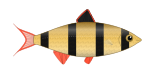
2 in · schooling · 73–79°F · pH 5.5–6Serpae tetra
…Hyphessobrycon equesA bright red, hardy tetra with a notorious fin-nipping habit; needs a big group and no slow, long-finned tank mates.
1.5 in · fin nipper · 72–79°F · pH 5–7.5Severum
…Heros severus / Heros efasciatusA calm, large South American cichlid often kept with angelfish and catfish; eats soft plants and any fish that fits in its mouth.
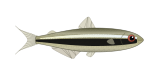
8 in · cichlid · 72–84°F · pH 5.5–6.5Siamese algae eater
…Crossocheilus oblongusA slim silver fish with a black stripe and one of the few that eats black beard algae; grows to about 6 inches and loves to jump.
6 in · algae eater · 75–79°F · pH 6.5–8Swordtail
…Xiphophorus helleriiA large, very active livebearer whose males carry a sword-shaped tail; it needs a long tank, a lid and hard water.
6.5 in · livebearer · 72–82°F · pH 7–8Three spot gourami
…Trichopodus trichopterusThe most common gourami: hardy, omnivorous and an air breather, though males can turn quarrelsome, especially when spawning.
6 in · cichlid · 75–86°F · pH 6–8White Cloud Mountain minnow
…Tanichthys albonubesA small, hardy minnow with red fins that needs no heater; ideal for an unheated tank kept at room temperature.
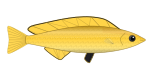
1.5 in · peaceful · 64–72°F · pH 6–8Yellow lab
…Labidochromis caeruleusA lemon-yellow mbuna that is one of the calmest cichlids in Lake Malawi and the usual first choice for a Malawi tank.
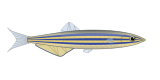
3 in · cichlid · 73–79°F · pH 7.8–8.5Zebra danio
…Danio rerioA fast, striped danio and one of the hardiest beginner fish; schools near the surface and is happy at room temperature.
1.5 in · schooling · 64–75°F · pH 6–8Zebra mbuna
…Maylandia zebraThe classic blue-and-black rock cichlid of Lake Malawi; one of the more aggressive mbuna, it needs hard alkaline water, rocks and a crowded mbuna-only tank.
6 in · cichlid · 77–80°F · pH 8–8.5Agassiz's dwarf cichlid
…Apistogramma agassiziiAn Amazon dwarf cichlid whose males carry a lyre-shaped tail; prefers soft, acidic water and breeds in caves.
3 in · bottom · 72–84°F · pH 5–6.5Bala shark
…Balantiocheilos melanopterusA silver 'shark' with black-edged fins, sold as small juveniles but growing to about 14 inches; needs a group and an 8-foot tank.
14 in · peaceful · 72–82°F · pH 6–8Bamboo shrimp
…Atyopsis moluccensisA large, fully peaceful shrimp that catches floating food with fans on its front legs; it needs strong flow and a mature tank or it starves.
3 in · grazer · 73–82°F · pH 6.5–7.5Black ghost knifefish
…Apteronotus albifronsA nocturnal electric fish that glides by rippling a single long fin; it grows to nearly 20 inches and eventually eats small tank mates.
20 in · cichlid · 73–82°F · pH 6–8Black phantom tetra
…Hyphessobrycon megalopterusA calm, deep-bodied tetra with a black shoulder patch; males with tall dorsal fins put on harmless sparring displays.
1.5 in · peaceful · 72–82°F · pH 6–7Blue acara
…Andinoacara pulcherThe classic acara with a blue sheen: calm for a 6-inch cichlid, but a keen digger that will swallow any fish that fits in its mouth.
6 in · cichlid · 72–82°F · pH 6.5–8Boeseman's rainbowfish
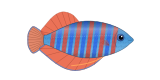
…Melanotaenia boesemaniA two-tone rainbowfish, blue-violet in front and orange behind; needs warm, hard, alkaline water and a long tank.
3.5 in · peaceful · 81–86°F · pH 7–8Celestial pearl danio
…Danio margaritatusA tiny, pearl-spotted danio with orange fins, the star of planted nano tanks; shy, with males sparring constantly.
1 in · peaceful · 72–75°F · pH 6.5–7.5Cockatoo dwarf cichlid
…Apistogramma cacatuoidesThe easiest apistogramma: males carry a tall, crest-like dorsal fin, and females guard eggs and fry fiercely in their caves.
3 in · bottom · 72–84°F · pH 5–6Congo tetra
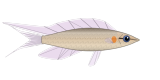
…Phenacogrammus interruptusA large African tetra with shimmering scales and long, feathery fins on the males; peaceful but skittish, so it needs a roomy tank.
3 in · peaceful · 73–79°F · pH 6–7.5Crystal red shrimp
…Caridina logemanniThe red-and-white bee shrimp, benchmark of the shrimp hobby; it needs soft, acidic, very stable water, usually on aquasoil and RO water.
1 in · grazer · 68–77°F · pH 5.5–7Demon eartheater
…Satanoperca jurupariA peaceful Amazon eartheater that lives in groups, sifts soft sand all day and asks for a very large tank with clean water.
7.5 in · bottom · 68–82°F · pH 5.5–7.5Denison barb
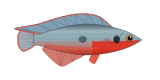
…Sahyadria denisoniiA large, torpedo-shaped barb with a red line along its body; peaceful but very active, needing a long tank with flow and spotless water.
4.5 in · schooling · 59–77°F · pH 6.8–7.8Dwarf chain loach
…Ambastaia sidthimunkiA 2.5-inch loach with a chain-link pattern that shoals near the bottom and in midwater; fits smaller tanks but eats snails and baby shrimp.
2.5 in · peaceful · 68–86°F · pH 5.5–7.5Electric blue hap
…Sciaenochromis fryeriA vivid blue predatory hap from Lake Malawi; not very aggressive, but it eats any fish or fry that fits in its mouth.
8 in · predator · 75–82°F · pH 8.2–8.5Elephantnose fish
…Gnathonemus petersiiAn African fish that finds food with a weak electric field and a long trunk-like chin; nocturnal, very sensitive and in need of sand.
9 in · bottom · 73–82°F · pH 6–7.5Ember tetra
…Hyphessobrycon amandaeA tiny fiery-orange tetra for nano and planted tanks; very peaceful and schools in the middle and upper water.
1 in · peaceful · 75–82°F · pH 5–7Endler's livebearer
…Poecilia wingeiA tiny, brilliantly coloured cousin of the guppy that suits nano tanks of 10 gallons, but crossbreeds readily with ordinary guppies.
1 in · livebearer · 75–86°F · pH 7–8.5Figure eight puffer
…Dichotomyctere ocellatusA small puffer with a figure-eight pattern for fresh or slightly brackish water; it loves snails and nips slow tank mates.
3 in · fin nipper · 72–79°F · pH 6.5–7.5Flowerhorn cichlid
…hybridA hybrid cichlid with a huge forehead hump that becomes very aggressive with age; the classic one-fish-per-tank pet.
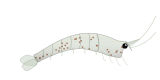
12 in · solo · 77–86°F · pH 6.5–8Ghost shrimp
…Palaemonetes paludosusA cheap, see-through North American shrimp whose insides are visible; easy to keep, but short-lived and often hard on fry and shrimplets.
2 in · grazer · 64–82°F · pH 7–8Giant danio
…Devario aequipinnatusA big, fast danio with blue and gold stripes that needs a long tank, current, very clean water and a tight lid.
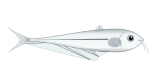
3 in · schooling · 72–75°F · pH 6–8Glass catfish
…Kryptopterus vitreolusA see-through catfish whose skeleton shows through the body; schools in midwater and fades quickly without a group of its own kind.
2.5 in · schooling · 68–79°F · pH 4–7Gold barb
…Barbodes semifasciolatusA golden aquarium form of the Chinese green barb; peaceful, hardy and happy in cooler tanks without a heater.
3 in · peaceful · 64–75°F · pH 6–8Green spotted puffer
…Dichotomyctere nigroviridisA bright brackish puffer of about 6.5 inches with a predator's temperament; it needs a roomy tank, salt and hard shelled food.
6.5 in · fin nipper · 75–82°F · pH 7.5–8.5Head-and-tail-light tetra
…Hemigrammus ocelliferAn easygoing tetra with golden 'headlights' by the eye and at the tail base; a classic, undemanding community fish.
2 in · peaceful · 75–79°F · pH 6–7.5Jaguar cichlid
…Parachromis managuensisA huge Central American predator with jaguar spots, growing to about 21.5 inches; always territorial and ready to eat any smaller fish.
22 in · predator · 75–86°F · pH 7–8Kissing gourami
…Helostoma temminckiiThe famous kissing fish grows to about 10 inches and can live over 20 years; its kisses are really contests for dominance.
10 in · cichlid · 72–86°F · pH 6–8Marbled hatchetfish
…Carnegiella strigataA tiny, deep-chested hatchetfish that lives right under the surface; shy and an expert jumper, so a tight lid is a must.
1.5 in · peaceful · 75–82°F · pH 5–7Medaka
…Oryzias latipesThe Japanese rice fish: hardy, peaceful and ideal for an unheated tank or a summer pond, with hundreds of ornamental strains.
1.5 in · peaceful · 64–72°F · pH 6.5–8.5Moonlight gourami
…Trichopodus microlepisA large silvery gourami with a calm but nervous temperament; it needs a roomy tank, floating plants and quiet tank mates.
6 in · peaceful · 77–86°F · pH 6–7.5Neon dwarf rainbowfish
…Melanotaenia praecoxA small rainbowfish with shimmering blue scales and red fins on the males; shy, schooling and in need of open swimming space.
2 in · peaceful · 73–82°F · pH 6.8–7.5Paradise fish
…Macropodus opercularisOne of Europe's first aquarium fish: a hardy, striped labyrinth fish that lives without a heater, but males are pugnacious.
3 in · solo · 61–72°F · pH 6–8Pea puffer
…Carinotetraodon travancoricusThe smallest freshwater puffer, an inch of curiosity and attitude; it eats snails, nips fins and rarely suits a community tank.
1 in · fin nipper · 72–82°F · pH 6.8–8Pearlscale cichlid
…Herichthys carpintisA big Mexican cichlid speckled with pearly blue spots; it digs, holds a territory for life and treats small fish as food.
12 in · cichlid · 75–79°F · pH 7–7.5Penguin tetra
…Thayeria boehlkeiA schooling tetra with a black 'hockey stick' stripe and a tail-down swimming pose; hardy, peaceful and good in dim, planted tanks.
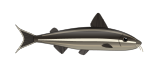
1.5 in · schooling · 72–82°F · pH 6–8Pictus catfish
…Pimelodus pictusA fast, silver, black-spotted catfish with long whiskers, often sold as a bottom cleaner but actually a predator that eats neons and guppies.
4.5 in · peaceful · 72–77°F · pH 5.8–6.8Pygmy cory
…Corydoras pygmaeusThe smallest cory at about an inch, schooling in open water as much as on the bottom; a natural fit for nano tanks with shrimp.
1 in · schooling · 72–79°F · pH 6.4–7.4Red-bellied piranha
…Pygocentrus nattereriThe famous Amazon predator, rather nervous in a tank; grows to about 14 inches and needs a huge species-only aquarium.
14 in · predator · 75–81°F · pH 5.5–7.5Regan's julie
…Julidochromis reganiA slender striped Tanganyika cichlid that lives among rocks, often swimming upside down along cave roofs; keep strictly as one pair.
5 in · bottom · 73–77°F · pH 8.2–9Senegal bichir
…Polypterus senegalusAn ancient air-breathing 'dragon fish' that can live over 30 years, grows to nearly 20 inches and swallows anything that fits in its mouth.
20 in · predator · 75–82°F · pH 6.2–7.8Silver dollar
…Metynnis argenteusA large, disc-shaped silver fish related to piranhas but plant-eating; skittish, shoaling and able to strip a planted tank bare.
6 in · peaceful · 75–82°F · pH 6–7Spotted hoplo
…Megalechis thoracataA tough armoured catfish of about 6 inches that gulps air at the surface; peaceful, with males building bubble nests like gouramis.
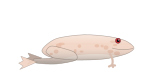
6 in · bottom · 64–82°F · pH 6–8African clawed frog
…Xenopus laevisA fully aquatic frog, most often sold as an albino; easy and long-lived, but a predator that eats any fish it can fit in its mouth.
6 in · predator · 63–75°F · pH 6.8–7.8Sterba's cory
…Corydoras sterbaiA spotted cory with bright orange pectoral fins that takes warmer water than most, making it a classic discus-tank companion.
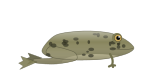
2.5 in · bottom · 75–82°F · pH 6–7.6African dwarf frog
…Hymenochirus boettgeriA small, fully aquatic frog of up to 2 inches that can share a tank with peaceful fish, as long as it is target-fed.
2 in · amphibian · 75–77°F · pH 6.6–7.8Striped Raphael catfish
…Platydoras armatulusAn armoured 'talking' catfish with white stripes that is peaceful to fish its size but eats small fish at night and grows to about 9.5 inches.
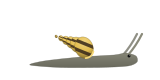
9.5 in · bottom · 75–86°F · pH 5.8–7.5Assassin snail
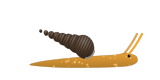
…Anentome helenaA yellow-and-brown striped predatory snail kept to control bladder, ramshorn and trumpet snails; it breeds slowly and never becomes a pest.
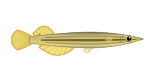
1 in · snail · 70–81°F · pH 7.2–8Striped panchax
…Aplocheilus lineatusA big non-annual killifish that patrols the surface and eats anything that fits in its mouth; a jumper that needs a tight lid.
4 in · peaceful · 75–81°F · pH 6–7.5Bladder snail
…Physella acutaA small left-coiled snail that usually hitchhikes in on plants; a self-fertilising hermaphrodite, so a single one starts a colony.
0.5 in · snail · 63–84°F · pH 7–8Three-lined cory
…Corydoras trilineatusThe spotted, striped cory usually sold as the julii cory; peaceful, easygoing and happy in a group of six over sand.
2 in · bottom · 72–79°F · pH 5.8–7.2Dwarf orange crayfish
…Cambarellus patzcuarensisA bright orange crayfish of about 1.5 inches and the only popular crayfish that fits a planted tank with peaceful fish.
1.5 in · crayfish · 64–79°F · pH 6.8–8Tropheus moorii
…Tropheus mooriiA herbivorous Tanganyika cichlid with dozens of colour forms; fights its own kind so hard that it is kept only in big groups of one form.
5.5 in · cichlid · 73–81°F · pH 8–9.5Malaysian trumpet snail
…Melanoides tuberculataA cone-shelled snail that lives in the substrate and stirs it; it breeds without a mate and gives birth to live young, so it fills a tank fast.
1 in · snail · 64–77°F · pH 7–8.5Twig catfish
…Farlowella vittataA slender 6-inch catfish that looks like a dry stick; slow, shy and easily outcompeted for food by livelier tank mates.
6 in · peaceful · 75–81°F · pH 6–7Marbled crayfish
…Procambarus virginalisThe only known clonal crayfish: every one is female and breeds without males, so a single animal can found a colony of hundreds.
4 in · crayfish · 64–77°F · pH 7–8Upside-down catfish
…Synodontis nigriventrisA small African catfish that swims belly-up to pick food from the surface and the undersides of leaves; peaceful and best in a group.
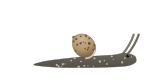
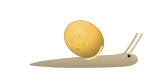
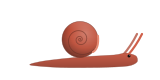
4 in · peaceful · 75–82°F · pH 6–7.5Mystery snail
…Pomacea diffusaThe most popular large aquarium snail; it leaves healthy plants alone and lays its eggs above the waterline, so numbers are easy to control.
2 in · snail · 68–82°F · pH 7–8Variatus platy
…Xiphophorus variatusA slightly larger, cooler-water relative of the platy; a peaceful livebearer for a community tank with hard water.
3 in · livebearer · 68–79°F · pH 7–8.2Ramshorn snail
…Planorbarius corneusThe classic flat-coiled snail every fishkeeper knows; it cleans up film and leftovers, breeds easily, and the red form is especially popular.
1.5 in · snail · 70–81°F · pH 7–8Venustus
…Nimbochromis venustusA big Malawi ambush predator with a giraffe-spot pattern that lies on the sand playing dead, then swallows any small fish nearby.
10 in · predator · 77–81°F · pH 8–8.5Red swamp crayfish
…Procambarus clarkiiA hardy but aggressive American crayfish that digs burrows, wrecks plants and eats snails and fish; invasive in many countries and banned in the EU.
4 in · solo · 68–79°F · pH 7–8.5Weather loach
…Misgurnus anguillicaudatusA long, cool-water loach that digs in sand and reacts to pressure changes; a good goldfish companion that reaches up to 11 inches.
11 in · bottom · 64–73°F · pH 6–8Redclaw crayfish
…Cherax quadricarinatusA large blue-green crayfish with red patches on the claws, up to 8 inches; a predator and plant shredder best kept alone under a tight lid.
8 in · solo · 64–82°F · pH 7.2–8.2Whisker shrimp
…Macrobrachium lanchesteriA clear, long-armed shrimp from Southeast Asia that looks harmless but is an active predator of small shrimp, snails and fish like guppies.
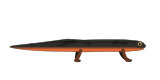
1.5 in · grazer · 75–84°F · pH 6.5–8Chinese fire belly newt
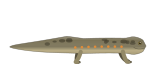
…Cynops orientalisA small newt with a black back and bright orange belly that needs cool water and a patch of land; its skin is toxic, so it lives without fish.
3.5 in · amphibian · 59–72°F · pH 6.5–7.5Yoyo loach
…Botia almorhaeAn energetic silver-and-black loach of about 6.5 inches that excels at eating snails but can tear the fins of slow, long-finned fish.
6.5 in · bottom · 66–82°F · pH 6–7.5Colombian ramshorn
…Marisa cornuarietisA large striped ramshorn from South America that grows to about 2 inches and eats almost every plant, plus other snails' eggs.
2 in · snail · 70–81°F · pH 7–8Badis
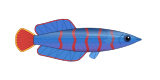
…Badis badisA small chameleon fish that changes colour with its mood; a calm bottom-dwelling hunter that needs caves and live or frozen food.
2.5 in · peaceful · 59–77°F · pH 6–7.5Great pond snail
…Lymnaea stagnalisA large coldwater pond snail that breathes air at the surface and eats soft plants and other snails' eggs; for coldwater tanks, not tropical planted ones.
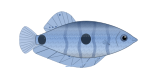
2 in · snail · 50–77°F · pH 7–8.5Banded archerfish
…Toxotes jaculatrixThe sniper fish that knocks insects down with a jet of water; a 12-inch brackish species that needs a group and air space above the water.
12 in · cichlid · 77–86°F · pH 7.5–8Iberian ribbed newt
…Pleurodeles waltlA large, hardy Spanish newt of 6 to 8 inches that is almost fully aquatic, likes cool water and quickly learns to take food from tweezers.
7 in · amphibian · 59–68°F · pH 6.5–8Bluefin notho
…Nothobranchius rachoviiOne of the most colourful annual killifish, from drying pools in Mozambique; it lives under a year, while its eggs rest for months in damp peat.
2 in · cichlid · 68–75°F · pH 6–7.5Rabbit snail
…Tylomelania spp.A large, colourful snail with a rabbit-like face from the lakes of Sulawesi; it needs warm, alkaline water and plenty of detritus.
3 in · snail · 79–82°F · pH 7.5–8.5Butterfly hillstream loach
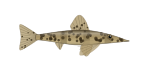
…Beaufortia kweichowensisA flat 'butterfly' loach from southern Chinese rivers that clings to rocks and glass and wants cool, fast, oxygen-rich water.
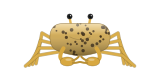
3 in · algae eater · 61–75°F · pH 6.5–8Thai micro crab
…Limnopilos naiyanetriThe smallest freshwater crab, with a shell under half an inch; fully aquatic and peaceful, it lives in floating plant roots alongside shrimp.
0.5 in · crab · 79–82°F · pH 6.5–7Chili rasbora
…Boraras brigittaeOne of the smallest aquarium fish at under an inch: bright red with a dark stripe, made for planted nano tanks with shrimp.
1 in · peaceful · 77–82°F · pH 6.5–7Vampire crab
…Geosesarma spp.A small, colourful crab with yellow 'vampire' eyes that lives mostly on land, so it needs a humid paludarium rather than an aquarium.
2 in · crab · 72–79°F · pH 7–8Forktail blue-eye
…Pseudomugil furcatusA small blue-eyed fish with yellow, forked fins; a peaceful top-water school for planted tanks with hard water.
2 in · peaceful · 75–79°F · pH 7–8Panther crab
…Parathelphusa pantherinaA spotted crab from Lake Matano on Sulawesi that needs warm, hard, alkaline water; aggressive and territorial, it may catch slow fish.
4 in · crab · 79–86°F · pH 7.8–8.5Geophagus altifrons
…Geophagus altifronsA large Amazon eartheater that sifts sand through its gills; surprisingly peaceful in a group, but needs a very big, warm, soft-water tank.
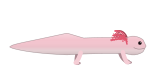
9 in · bottom · 79–90°F · pH 4.8–6.6Axolotl
…Ambystoma mexicanumA Mexican salamander that keeps its feathery gills for life; it needs cool water below 68°F, so it never shares a tropical tank.
10 in · coldwater · 57–68°F · pH 6.5–8Golden pencilfish
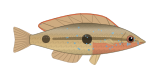
…Nannostomus beckfordiA slim pencilfish with a gold and red stripe that hovers near the surface; peaceful and a good match for dwarf cichlid tanks.
2.5 in · peaceful · 75–79°F · pH 6–8Lambchop rasbora
…Trigonostigma espeiA slimmer, more orange cousin of the harlequin rasbora with a 'lambchop' patch; a peaceful school for warm planted tanks.
1 in · schooling · 73–82°F · pH 6–6.5Lyretail killifish
…Aphyosemion australeOne of the best-loved non-annual killifish, with a lyre-shaped tail; peaceful, timid, fond of soft water and an excellent jumper.
2.5 in · peaceful · 70–75°F · pH 5.5–7Peacock gudgeon
…Tateurndina ocellicaudaA bright, calm goby-like fish from New Guinea with an eyespot on the tail; it lives near the bottom in small groups and spawns in caves.
3 in · peaceful · 72–79°F · pH 6.5–7.5Pygmy leopard catfish
…Synodontis petricolaA spotted Lake Tanganyika catfish for cichlid tanks; peaceful in a group but needs hard, alkaline water and may eat tiny fish.
5 in · bottom · 75–82°F · pH 7.5–8.5Salt and pepper cory
…Corydoras habrosusA dwarf cory of about 1.5 inches that stays on the bottom and needs a wide stretch of fine sand rather than a tiny nano tank.
1.5 in · bottom · 68–79°F · pH 5.5–7.5Scarlet badis
…Dario darioA tiny, under-an-inch scarlet fish for nano tanks; it eats mostly live and frozen foods, and males split the tank into territories.
1 in · peaceful · 64–79°F · pH 6.5–8.5Silver mono
…Monodactylus argenteusA silver, diamond-shaped schooling fish from mangroves that moves towards marine water as it grows; it needs a school and a large brackish tank.
6.5 in · schooling · 75–82°F · pH 7.5–8.5Sparkling gourami
…Trichopsis pumilaA tiny 1.5-inch labyrinth fish that croaks during squabbles; perfect for a soft-water planted nano tank.
1.5 in · peaceful · 72–82°F · pH 5–7.5Tiger hillstream loach
…Sewellia lineolataA flat, stingray-like loach from Vietnamese mountain streams that needs strong current, cool water and algae-covered rocks.
2.5 in · algae eater · 68–75°F · pH 6–7.5Zebra pleco
…Hypancistrus zebraA black-and-white pleco from the Rio Xingu, one of the most prized aquarium fish; needs warm, clean, fast water and rocky caves.
3 in · bottom · 79–86°F · pH 6–7.5