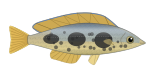
Venustus
Nimbochromis venustus
A big Malawi ambush predator with a giraffe-spot pattern that lies on the sand playing dead, then swallows any small fish nearby.
Key facts
- Body length
- 9.8 in without fins
- Minimum tank
- 64 gallons
- Group
- 4+
- Temperament
- Predatory
- Care level
- 3 / 5
- Lifespan
- Not well documented
- Diet
- Cichlid pellets, frozen shrimp, krill and fish; no mammal meat
- Origin
- Lake Malawi, East Africa
- Hardier than27%
- Bigger than89%
- Calmer than5%
Water: their range vs yours
Venustus tank mates
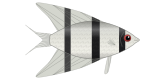
- AngelfishGets along in shared water.Good mates
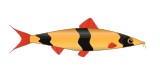
- Clown loachGets along in shared water.Good mates
- Common plecoGets along in shared water.Good mates
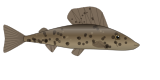
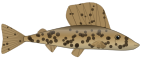
- Leopard sailfin plecoGets along in shared water.Good mates
- SeverumGets along in shared water.Good mates
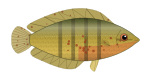
- Three spot gouramiGets along in shared water.Good mates
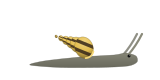
- Assassin snailGets along in shared water.Good mates
- Red swamp crayfishGets along in shared water.Good mates
- Redclaw crayfishGets along in shared water.Good mates
- Bala sharkGets along in shared water.Good mates
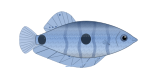
- Kissing gouramiGets along in shared water.Good mates
- Yoyo loachGets along in shared water.Good mates
- Blood parrot cichlidVenustus outcompetes the slow-eating Blood parrot cichlid for food; target-feed to make sure it eats.Risky
- Blue dolphin cichlidVenustus (predatory) will bully the peaceful Blue dolphin cichlid.Risky
- Bristlenose plecoVenustus can eat young or small Bristlenose pleco; adults are big enough to be safe.Risky
- Chinese algae eaterTwo territorial bottom-dwellers: need ≥ 12150 cm² of floor, tank has 5612 cm².Risky
- Convict cichlidTwo territorial bottom-dwellers: need ≥ 8100 cm² of floor, tank has 5612 cm².Risky
- DiscusVenustus (predatory) will bully the peaceful Discus.Risky
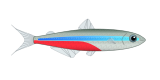
- Neon tetraVenustus can eat Neon tetra: prey body depth 0.7 cm ≤ mouth 8.8 cm.Avoid
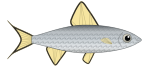
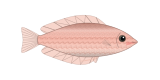
- Harlequin rasboraVenustus can eat Harlequin rasbora: prey body depth 1.1 cm ≤ mouth 8.8 cm.Avoid
- Fancy guppyVenustus can eat Fancy guppy: prey body depth 0.8 cm ≤ mouth 8.8 cm.Avoid
- Panda corydorasVenustus can eat Panda corydoras: prey body depth 2.4 cm ≤ mouth 8.8 cm.Avoid
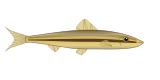
- OtocinclusVenustus can eat Otocinclus: prey body depth 0.7 cm ≤ mouth 8.8 cm.Avoid
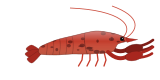
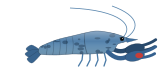
- Cherry shrimpVenustus can eat Cherry shrimp: prey body depth 0.8 cm ≤ mouth 8.8 cm.Avoid
How we check
The numbers the tank model uses for venustus: water as ideal and tolerated ranges, bioload from adult mass, space, flow and how they act on other species.
- Standard length
- 25 cm (SL)
- Adult mass
- 468.75 g
- Bioload at 25 °C
- 52.06 BU
- Min. water
- 205 L net
- Min. footprint
- 120 × 45 cm per group
- Group
- 4+ (best 7)
- Swims in
- bottom, middle
- Flow
- moderate
- Body / fins
- deep bodied, normal fins
- Diet type
- carnivore
- Fin nipper
- none
- Sensitive to
- —
Care notes
Venustus grow to about 10 inches and hunt by lying still on the sand until small fish come close. Males are quite aggressive towards each other but peaceful with tank mates too big to eat.
Keep one male with three to six females over sand with open swimming space; 55 gallons is the listed minimum, and a larger tank suits a fish this size better. Small mbuna, bottom fish and shrimp will be eaten.
Questions
What size tank does a venustus need?
At least 64 gallons (205 litres of water after decor). Adults reach about 9.8 inches without fins.
How many venustus should be kept together?
Keep at least 4, ideally 7 or more: fewer feel exposed and hide or turn nippy.
What water do venustus need?
77–81 °F, pH 8–8.5 and 10–25 dGH. Venustus come from Lake Malawi, East Africa.
How long do venustus live?
Not well documented with good care.
What fish can live with venustus?
Good tank mates include Angelfish, Clown loach, Common pleco, Leopard sailfin pleco and Severum. Each is checked both ways for size, fin nipping, temperament, territory and shared water.