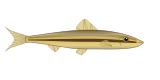
Chinese algae eater
Gyrinocheilus aymonieri
A popular sucker-mouth 'cleaner' that reaches 11 inches and turns aggressive with age, sometimes rasping the slime coat off other fish.
Key facts
- Body length
- 11 in without fins
- Minimum tank
- 95 gallons
- Group
- 6+
- Temperament
- Semi-aggressive
- Care level
- 3 / 5
- Lifespan
- 15–20 years
- Diet
- Algae wafers, blanched vegetables, sinking pellets
- Origin
- Mekong, Chao Phraya and Mae Klong basins, Southeast Asia
- Hardier than77%
- Bigger than91%
- Calmer than28%
Water: their range vs yours
Chinese algae eater tank mates
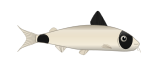
- Panda corydorasGets along in shared water.Good mates
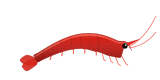
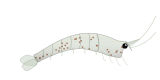
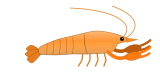
- Cherry shrimpGets along in shared water.Good mates
- Amano shrimpGets along in shared water.Good mates
- Black widow tetraGets along in shared water.Good mates
- Common plecoGets along in shared water.Good mates
- Kuhli loachGets along in shared water.Good mates
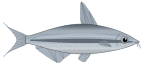
- Leopard sailfin plecoGets along in shared water.Good mates
- SeverumGets along in shared water.Good mates
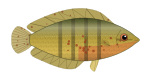
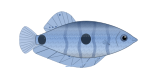
- Three spot gouramiGets along in shared water.Good mates
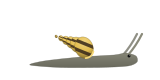
- Assassin snailGets along in shared water.Good mates
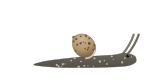
- Bladder snailGets along in shared water.Good mates
- Dwarf orange crayfishGets along in shared water.Good mates
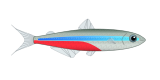
- Neon tetraChinese algae eater attacks fish with a similar shape or colour: Neon tetra.Risky
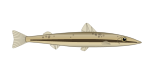
- Harlequin rasboraChinese algae eater attacks fish with a similar shape or colour: Harlequin rasbora.Risky
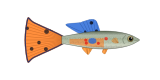
- Fancy guppyChinese algae eater eats slow fish: Fancy guppy (SF: присасывается к бокам крупных соседей, объедая слизь).Risky
- OtocinclusChinese algae eater eats slow fish: Otocinclus (SF: присасывается к бокам крупных соседей, объедая слизь).Risky
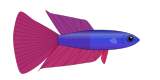
- BettaChinese algae eater eats slow fish: Betta (SF: присасывается к бокам крупных соседей, объедая слизь).Risky
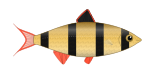
- Tiger barbChinese algae eater attacks fish with a similar shape or colour: Tiger barb.Risky
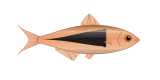
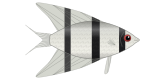
- AngelfishLatches onto angelfish for their slime.Avoid
- Iridescent sharkIridescent shark can eat Chinese algae eater: prey body depth 6.2 cm ≤ mouth 32.5 cm.Avoid
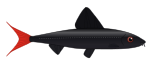
- Red-tailed black sharkTwo territorial lookalikes clash.Avoid
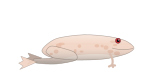
- African clawed frogAfrican clawed frog should only be kept in a single-species tank.Avoid
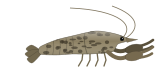
- Marbled crayfishMarbled crayfish should only be kept in a single-species tank.Avoid
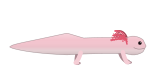
- AxolotlAxolotl should only be kept in a single-species tank.Avoid
How we check
The numbers the tank model uses for Chinese algae eaters: water as ideal and tolerated ranges, bioload from adult mass, space, flow and how they act on other species.
- Standard length
- 28 cm (SL)
- Adult mass
- 329.28 g
- Bioload at 25 °C
- 37.26 BU
- Min. water
- 304 L net
- Min. footprint
- 150 × 45 cm per group
- Group
- 6+ (best 6)
- Swims in
- bottom, middle
- Flow
- moderate
- Body / fins
- fusiform, normal fins
- Diet type
- algivore
- Fin nipper
- none
- Sensitive to
- copper
Care notes
Chinese algae eaters come from flowing rivers of the Mekong, Chao Phraya and Mae Klong basins, and gold and spotted forms are sold widely. They are neither loaches nor catfish, and they are easily confused with the much calmer Siamese algae eater.
Adults need a tank around 75 gallons and 5 feet long, kept clean because they dislike organic build-up. They grow territorial, especially toward lookalikes such as Siamese algae eaters and rainbow sharks, and slow, flat-bodied fish like angelfish are at risk of being latched onto.
Questions
What size tank does a chinese algae eater need?
At least 95 gallons (304 litres of water after decor). Adults reach about 11 inches without fins.
How many Chinese algae eaters should be kept together?
Keep at least 6, ideally 6 or more: fewer feel exposed and hide or turn nippy.
What water do Chinese algae eaters need?
72–79 °F, pH 6–8 and 2–20 dGH. Chinese algae eaters come from Mekong, Chao Phraya and Mae Klong basins, Southeast Asia.
How long do Chinese algae eaters live?
15–20 years with good care.
What fish can live with Chinese algae eaters?
Good tank mates include Panda corydoras, Cherry shrimp, Amano shrimp, Black widow tetra and Common pleco. Each is checked both ways for size, fin nipping, temperament, territory and shared water.