Shrimp-safe fish
Our model marks these species as safe for adult dwarf shrimp and their young. Plenty of moss still helps the colony grow.
- …
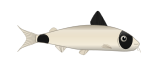
Panda corydoras
Corydoras pandaFriendly armoured catfish that sift the sand in groups; need soft substrate and a group of six or more.
1.6 in · 17+ gal · 72–77°F · pH 6–7.2 - …
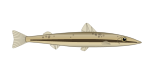
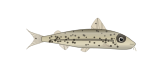
Otocinclus
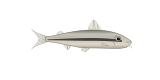
Otocinclus vittatusTiny algae grazers for mature planted tanks; keep six or more and supplement with vegetables.
1.4 in · 17+ gal · 72–79°F · pH 6–7.2 - …
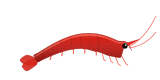
Cherry shrimp
Neocaridina davidiBright red dwarf shrimp that graze all day and breed in a planted tank; tiny bioload, but fry are snacks for most fish.
1.6 in · 4+ gal · 72–75°F · pH 6.5–7.8 - …
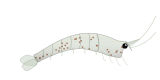
Amano shrimp
Caridina multidentataThe best-known algae-eating shrimp, made famous by Takashi Amano; bigger than cherries and a good fit for planted community tanks.
2 in · 7+ gal · 72–77°F · pH 6.5–7.5 - …
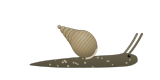
Assassin snail
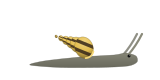
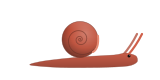
Anentome helenaA yellow-and-brown striped predatory snail kept to control bladder, ramshorn and trumpet snails; it breeds slowly and never becomes a pest.
1 in · 3+ gal · 70–81°F · pH 7.2–8 - …
Bladder snail
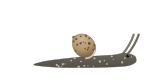
Physella acutaA small left-coiled snail that usually hitchhikes in on plants; a self-fertilising hermaphrodite, so a single one starts a colony.
0.6 in · 1+ gal · 63–84°F · pH 7–8 - …
Malaysian trumpet snail
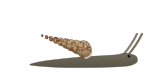
Melanoides tuberculataA cone-shelled snail that lives in the substrate and stirs it; it breeds without a mate and gives birth to live young, so it fills a tank fast.
1 in · 2+ gal · 64–77°F · pH 7–8.5 - …
Mystery snail
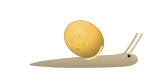
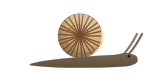
Pomacea diffusaThe most popular large aquarium snail; it leaves healthy plants alone and lays its eggs above the waterline, so numbers are easy to control.
2.2 in · 7+ gal · 68–82°F · pH 7–8 - …
Ramshorn snail
Planorbarius corneusThe classic flat-coiled snail every fishkeeper knows; it cleans up film and leftovers, breeds easily, and the red form is especially popular.
1.4 in · 4+ gal · 70–81°F · pH 7–8 - …
Crystal red shrimp
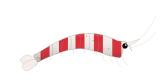
Caridina logemanniThe red-and-white bee shrimp, benchmark of the shrimp hobby; it needs soft, acidic, very stable water, usually on aquasoil and RO water.
1.2 in · 6+ gal · 68–77°F · pH 5.5–7 - …
Pygmy cory
Corydoras pygmaeusThe smallest cory at about an inch, schooling in open water as much as on the bottom; a natural fit for nano tanks with shrimp.
1.2 in · 13+ gal · 72–79°F · pH 6.4–7.4 - …
Colombian ramshorn
Marisa cornuarietisA large striped ramshorn from South America that grows to about 2 inches and eats almost every plant, plus other snails' eggs.
1.8 in · 13+ gal · 70–81°F · pH 7–8 - …
Great pond snail
Lymnaea stagnalisA large coldwater pond snail that breathes air at the surface and eats soft plants and other snails' eggs; for coldwater tanks, not tropical planted ones.
2 in · 7+ gal · 50–77°F · pH 7–8.5 - …
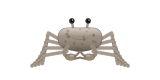
Thai micro crab
Limnopilos naiyanetriThe smallest freshwater crab, with a shell under half an inch; fully aquatic and peaceful, it lives in floating plant roots alongside shrimp.
0.4 in · 6+ gal · 79–82°F · pH 6.5–7 - …
Salt and pepper cory
Corydoras habrosusA dwarf cory of about 1.5 inches that stays on the bottom and needs a wide stretch of fine sand rather than a tiny nano tank.
1.4 in · 17+ gal · 68–79°F · pH 5.5–7.5
Every tank is different. Set yours up once (size, water, who already lives there) and each species is checked against it.
Plan my tank