Algae eaters
Grazers keep glass, leaves and decor clean. None of them replace water changes, and most need extra vegetable food once the algae runs out.
- …
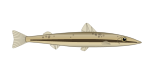
Otocinclus
Otocinclus vittatusTiny algae grazers for mature planted tanks; keep six or more and supplement with vegetables.
1.4 in · 17+ gal · 72–79°F · pH 6–7.2 - …
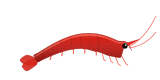
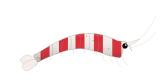
Cherry shrimp
Neocaridina davidiBright red dwarf shrimp that graze all day and breed in a planted tank; tiny bioload, but fry are snacks for most fish.
1.6 in · 4+ gal · 72–75°F · pH 6.5–7.8 - …
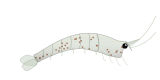
Amano shrimp
Caridina multidentataThe best-known algae-eating shrimp, made famous by Takashi Amano; bigger than cherries and a good fit for planted community tanks.
2 in · 7+ gal · 72–77°F · pH 6.5–7.5 - …
Chinese algae eater
Gyrinocheilus aymonieriA popular sucker-mouth 'cleaner' that reaches 11 inches and turns aggressive with age, sometimes rasping the slime coat off other fish.
11 in · 95+ gal · 72–79°F · pH 6–8 - …
Common pleco
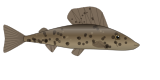
Pterygoplichthys pardalisThe classic store 'algae eater' that grows to nearly two feet, fouls the water and eats less algae with age; a fish for very large tanks only.
22.8 in · 203+ gal · 77–82°F · pH 7–7.5 - …
Leopard sailfin pleco
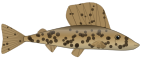
Pterygoplichthys gibbicepsA tall-finned pleco with a brocade pattern that is sold at 2 inches and grows to about 20, needing a very large tank and heavy filtration.
19.7 in · 187+ gal · 77–86°F · pH 5–7 - …
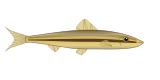
Siamese algae eater
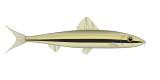
Crossocheilus oblongusA slim silver fish with a black stripe and one of the few that eats black beard algae; grows to about 6 inches and loves to jump.
5.9 in · 95+ gal · 75–79°F · pH 6.5–8 - …
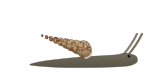
Bladder snail
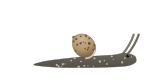
Physella acutaA small left-coiled snail that usually hitchhikes in on plants; a self-fertilising hermaphrodite, so a single one starts a colony.
0.6 in · 1+ gal · 63–84°F · pH 7–8 - …
Malaysian trumpet snail
Melanoides tuberculataA cone-shelled snail that lives in the substrate and stirs it; it breeds without a mate and gives birth to live young, so it fills a tank fast.
1 in · 2+ gal · 64–77°F · pH 7–8.5 - …
Crystal red shrimp
Caridina logemanniThe red-and-white bee shrimp, benchmark of the shrimp hobby; it needs soft, acidic, very stable water, usually on aquasoil and RO water.
1.2 in · 6+ gal · 68–77°F · pH 5.5–7 - …
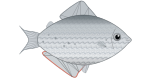
Silver dollar
Metynnis argenteusA large, disc-shaped silver fish related to piranhas but plant-eating; skittish, shoaling and able to strip a planted tank bare.
5.9 in · 81+ gal · 75–82°F · pH 6–7 - …
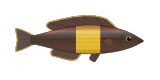
Tropheus moorii
Tropheus mooriiA herbivorous Tanganyika cichlid with dozens of colour forms; fights its own kind so hard that it is kept only in big groups of one form.
5.7 in · 99+ gal · 73–81°F · pH 8–9.5 - …
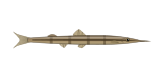
Twig catfish
Farlowella vittataA slender 6-inch catfish that looks like a dry stick; slow, shy and easily outcompeted for food by livelier tank mates.
5.9 in · 26+ gal · 75–81°F · pH 6–7 - …
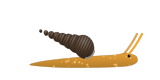
Rabbit snail
Tylomelania spp.A large, colourful snail with a rabbit-like face from the lakes of Sulawesi; it needs warm, alkaline water and plenty of detritus.
2.8 in · 13+ gal · 79–82°F · pH 7.5–8.5 - …
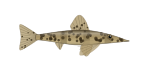
Butterfly hillstream loach
Beaufortia kweichowensisA flat 'butterfly' loach from southern Chinese rivers that clings to rocks and glass and wants cool, fast, oxygen-rich water.
3 in · 17+ gal · 61–75°F · pH 6.5–8 - …
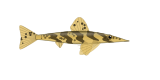
Tiger hillstream loach
Sewellia lineolataA flat, stingray-like loach from Vietnamese mountain streams that needs strong current, cool water and algae-covered rocks.
2.6 in · 22+ gal · 68–75°F · pH 6–7.5
Every tank is different. Set yours up once (size, water, who already lives there) and each species is checked against it.
Plan my tank