Coldwater fish
These species come from cool or subtropical water and live happily without a heater in a room that stays above about 16 °C.
- …
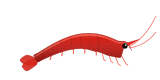
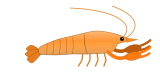
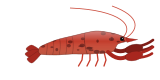
Cherry shrimp
Neocaridina davidiBright red dwarf shrimp that graze all day and breed in a planted tank; tiny bioload, but fry are snacks for most fish.
1.6 in · 4+ gal · 72–75°F · pH 6.5–7.8 - …
Amano shrimp
Caridina multidentataThe best-known algae-eating shrimp, made famous by Takashi Amano; bigger than cherries and a good fit for planted community tanks.
2 in · 7+ gal · 72–77°F · pH 6.5–7.5 - …
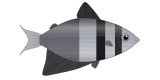
Black widow tetra
Gymnocorymbus ternetziA hardy, deep-bodied tetra with black 'skirt' fins; easy for beginners, but a small group nips the fins of its tank mates.
2.4 in · 22+ gal · 68–79°F · pH 6–7 - …
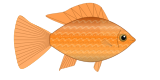
Goldfish
Carassius auratusThe coldwater classic with hundreds of breeds; lives 10–15 years or more, makes lots of waste and needs a roomy, well-filtered tank.
5.9 in · 24+ gal · 50–75°F · pH 6.5–8 - …
Peppered cory
Corydoras paleatusOne of the hardiest corys: a mottled catfish that sifts sand in a group of six and prefers slightly cooler water.
2.8 in · 22+ gal · 72–79°F · pH 6–7 - …
Rosy barb
Pethia conchoniusA large, hardy barb whose males turn bright pink-red when breeding; suits cooler tanks that run without a heater.
3.9 in · 28+ gal · 64–72°F · pH 6–8 - …
White Cloud Mountain minnow
Tanichthys albonubesA small, hardy minnow with red fins that needs no heater; ideal for an unheated tank kept at room temperature.
1.6 in · 17+ gal · 64–72°F · pH 6–8 - …
Zebra danio
Danio rerioA fast, striped danio and one of the hardiest beginner fish; schools near the surface and is happy at room temperature.
1.5 in · 26+ gal · 64–75°F · pH 6–8 - …
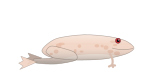
African clawed frog
Xenopus laevisA fully aquatic frog, most often sold as an albino; easy and long-lived, but a predator that eats any fish it can fit in its mouth.
5.9 in · 13+ gal · 63–75°F · pH 6.8–7.8 - …
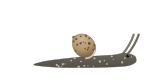
Bladder snail
Physella acutaA small left-coiled snail that usually hitchhikes in on plants; a self-fertilising hermaphrodite, so a single one starts a colony.
0.6 in · 1+ gal · 63–84°F · pH 7–8 - …
Dwarf orange crayfish
Cambarellus patzcuarensisA bright orange crayfish of about 1.5 inches and the only popular crayfish that fits a planted tank with peaceful fish.
1.6 in · 10+ gal · 64–79°F · pH 6.8–8 - …
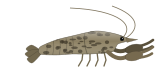
Marbled crayfish
Procambarus virginalisThe only known clonal crayfish: every one is female and breeds without males, so a single animal can found a colony of hundreds.
3.9 in · 19+ gal · 64–77°F · pH 7–8 - …
Ramshorn snail
Planorbarius corneusThe classic flat-coiled snail every fishkeeper knows; it cleans up film and leftovers, breeds easily, and the red form is especially popular.
1.4 in · 4+ gal · 70–81°F · pH 7–8 - …
Red swamp crayfish
Procambarus clarkiiA hardy but aggressive American crayfish that digs burrows, wrecks plants and eats snails and fish; invasive in many countries and banned in the EU.
3.9 in · 25+ gal · 68–79°F · pH 7–8.5 - …
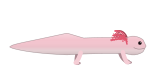
Axolotl
Ambystoma mexicanumA Mexican salamander that keeps its feathery gills for life; it needs cool water below 68°F, so it never shares a tropical tank.
9.8 in · 13+ gal · 57–68°F · pH 6.5–8 - …
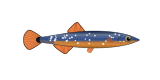
Celestial pearl danio
Danio margaritatusA tiny, pearl-spotted danio with orange fins, the star of planted nano tanks; shy, with males sparring constantly.
0.8 in · 13+ gal · 72–75°F · pH 6.5–7.5 - …
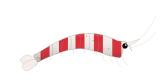
Crystal red shrimp
Caridina logemanniThe red-and-white bee shrimp, benchmark of the shrimp hobby; it needs soft, acidic, very stable water, usually on aquasoil and RO water.
1.2 in · 6+ gal · 68–77°F · pH 5.5–7 - …
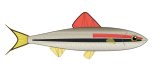
Denison barb
Sahyadria denisoniiA large, torpedo-shaped barb with a red line along its body; peaceful but very active, needing a long tank with flow and spotless water.
4.3 in · 76+ gal · 59–77°F · pH 6.8–7.8 - …
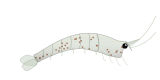
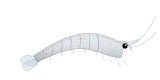
Ghost shrimp
Palaemonetes paludosusA cheap, see-through North American shrimp whose insides are visible; easy to keep, but short-lived and often hard on fry and shrimplets.
1.9 in · 7+ gal · 64–82°F · pH 7–8 - …
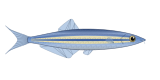
Giant danio
Devario aequipinnatusA big, fast danio with blue and gold stripes that needs a long tank, current, very clean water and a tight lid.
3 in · 76+ gal · 72–75°F · pH 6–8 - …
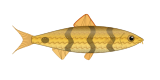
Gold barb
Barbodes semifasciolatusA golden aquarium form of the Chinese green barb; peaceful, hardy and happy in cooler tanks without a heater.
3 in · 26+ gal · 64–75°F · pH 6–8 - …
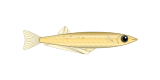
Medaka
Oryzias latipesThe Japanese rice fish: hardy, peaceful and ideal for an unheated tank or a summer pond, with hundreds of ornamental strains.
1.4 in · 13+ gal · 64–72°F · pH 6.5–8.5 - …
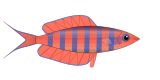
Paradise fish
Macropodus opercularisOne of Europe's first aquarium fish: a hardy, striped labyrinth fish that lives without a heater, but males are pugnacious.
3.1 in · 23+ gal · 61–72°F · pH 6–8 - …
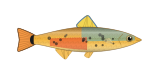
Variatus platy
Xiphophorus variatusA slightly larger, cooler-water relative of the platy; a peaceful livebearer for a community tank with hard water.
2.8 in · 17+ gal · 68–79°F · pH 7–8.2 - …
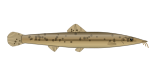
Weather loach
Misgurnus anguillicaudatusA long, cool-water loach that digs in sand and reacts to pressure changes; a good goldfish companion that reaches up to 11 inches.
11 in · 76+ gal · 64–73°F · pH 6–8 - …
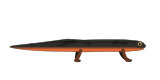
Chinese fire belly newt
Cynops orientalisA small newt with a black back and bright orange belly that needs cool water and a patch of land; its skin is toxic, so it lives without fish.
3.5 in · 14+ gal · 59–72°F · pH 6.5–7.5 - …
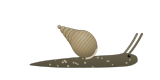
Great pond snail
Lymnaea stagnalisA large coldwater pond snail that breathes air at the surface and eats soft plants and other snails' eggs; for coldwater tanks, not tropical planted ones.
2 in · 7+ gal · 50–77°F · pH 7–8.5 - …
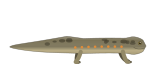
Iberian ribbed newt
Pleurodeles waltlA large, hardy Spanish newt of 6 to 8 inches that is almost fully aquatic, likes cool water and quickly learns to take food from tweezers.
7.1 in · 19+ gal · 59–68°F · pH 6.5–8 - …
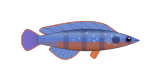
Badis
Badis badisA small chameleon fish that changes colour with its mood; a calm bottom-dwelling hunter that needs caves and live or frozen food.
2.4 in · 23+ gal · 59–77°F · pH 6–7.5 - …
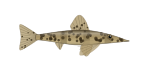
Butterfly hillstream loach
Beaufortia kweichowensisA flat 'butterfly' loach from southern Chinese rivers that clings to rocks and glass and wants cool, fast, oxygen-rich water.
3 in · 17+ gal · 61–75°F · pH 6.5–8 - …
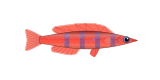
Scarlet badis
Dario darioA tiny, under-an-inch scarlet fish for nano tanks; it eats mostly live and frozen foods, and males split the tank into territories.
0.8 in · 13+ gal · 64–79°F · pH 6.5–8.5 - …
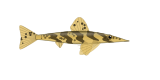
Tiger hillstream loach
Sewellia lineolataA flat, stingray-like loach from Vietnamese mountain streams that needs strong current, cool water and algae-covered rocks.
2.6 in · 22+ gal · 68–75°F · pH 6–7.5

Every tank is different. Set yours up once (size, water, who already lives there) and each species is checked against it.
Plan my tank