Best fish for beginners
These species forgive the small mistakes of a first tank: a slightly off pH, a late water change, a heavy hand with food. All are peaceful and rated easy by keepers.
- …
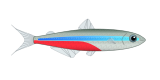
Neon tetra
Paracheirodon innesiThe classic community fish: a tight school of electric-blue stripes that suits planted tanks of 15 gallons and up.
1.2 in · 17+ gal · 70–77°F · pH 5–7 - …
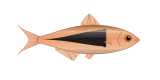
Harlequin rasbora
Trigonostigma heteromorphaCopper-orange schooling fish with a black wedge; hardy, calm and a good first school for a 15–20 gallon tank.
1.4 in · 17+ gal · 73–81°F · pH 6–7 - …
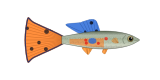
Fancy guppy
Poecilia reticulataColourful livebearers with flowing tails; prefer harder water and breed readily, so plan for fry.
1.4 in · 13+ gal · 75–81°F · pH 7–8 - …
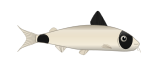
Panda corydoras
Corydoras pandaFriendly armoured catfish that sift the sand in groups; need soft substrate and a group of six or more.
1.6 in · 17+ gal · 72–77°F · pH 6–7.2 - …
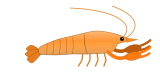
Cherry shrimp
Neocaridina davidiBright red dwarf shrimp that graze all day and breed in a planted tank; tiny bioload, but fry are snacks for most fish.
1.6 in · 4+ gal · 72–75°F · pH 6.5–7.8 - …
Amano shrimp
Caridina multidentataThe best-known algae-eating shrimp, made famous by Takashi Amano; bigger than cherries and a good fit for planted community tanks.
2 in · 7+ gal · 72–77°F · pH 6.5–7.5 - …
Black neon tetra
Hyphessobrycon herbertaxelrodiA peaceful tetra with a bright white-over-black stripe; hardier than the neon tetra and an easy fit in any calm community tank.
1.4 in · 23+ gal · 73–81°F · pH 5.5–7.5 - …
Black widow tetra
Gymnocorymbus ternetziA hardy, deep-bodied tetra with black 'skirt' fins; easy for beginners, but a small group nips the fins of its tank mates.
2.4 in · 22+ gal · 68–79°F · pH 6–7 - …
Bristlenose pleco
Ancistrus cf. cirrhosusThe go-to glass cleaner: a compact 5-inch pleco with bushy whiskers on the males that needs a cave and vegetables, not just algae.
4.9 in · 17+ gal · 70–79°F · pH 5.5–7.5 - …
Bronze cory
Corydoras aeneusThe most widely kept cory: a tough bronze-green or albino catfish that shoals along the bottom and handles a broad range of water.
3 in · 23+ gal · 70–81°F · pH 6–8 - …
Cherry barb
Puntius titteyaOne of the most peaceful barbs: males glow cherry red and leave fins alone, making it great for planted community tanks.
2 in · 17+ gal · 73–81°F · pH 6–8 - …
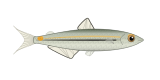
Glowlight tetra
Hemigrammus erythrozonusA small, translucent tetra with a glowing orange stripe along its body; peaceful, hardy and at its best in a densely planted tank.
1.6 in · 22+ gal · 75–82°F · pH 6–7.5 - …
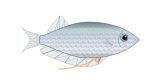
Honey gourami
Trichogaster chunaA small, very gentle honey-coloured gourami for calm tanks of 15 gallons with peaceful tank mates.
2.2 in · 17+ gal · 72–81°F · pH 6–7.5 - …
Kribensis
Pelvicachromis pulcherA small West African cichlid whose female has a bright belly; a cave-spawning pair digs pits and guards fry along the bottom.
3.9 in · 23+ gal · 75–81°F · pH 6.5–7 - …
Kuhli loach
Pangio semicinctaA banded, eel-like loach of about 4 inches that burrows by day and explores the bottom as a group in the evening; needs soft sand.
3.9 in · 17+ gal · 70–79°F · pH 3.5–7 - …
Molly
Poecilia sphenopsA sturdy livebearer that needs hard water and plenty of plant food, and does well in slightly brackish conditions.
3.1 in · 26+ gal · 70–82°F · pH 7–8.5 - …
Pearl gourami
Trichopodus leeriiOne of the calmest and most beautiful gouramis, covered in pearly spots; ideal for a quiet planted tank with floating plants.
4.7 in · 26+ gal · 75–86°F · pH 5.5–8 - …
Peppered cory
Corydoras paleatusOne of the hardiest corys: a mottled catfish that sifts sand in a group of six and prefers slightly cooler water.
2.8 in · 22+ gal · 72–79°F · pH 6–7 - …
Platy
Xiphophorus maculatusOne of the easiest livebearers for beginners: peaceful, colourful and undemanding, happiest in moderately hard water with plants.
2.4 in · 17+ gal · 68–79°F · pH 7–8.2 - …
Rosy barb
Pethia conchoniusA large, hardy barb whose males turn bright pink-red when breeding; suits cooler tanks that run without a heater.
3.9 in · 28+ gal · 64–72°F · pH 6–8 - …
Siamese algae eater
Crossocheilus oblongusA slim silver fish with a black stripe and one of the few that eats black beard algae; grows to about 6 inches and loves to jump.
5.9 in · 95+ gal · 75–79°F · pH 6.5–8 - …
Swordtail
Xiphophorus helleriiA large, very active livebearer whose males carry a sword-shaped tail; it needs a long tank, a lid and hard water.
6.3 in · 34+ gal · 72–82°F · pH 7–8 - …
White Cloud Mountain minnow
Tanichthys albonubesA small, hardy minnow with red fins that needs no heater; ideal for an unheated tank kept at room temperature.
1.6 in · 17+ gal · 64–72°F · pH 6–8 - …
Zebra danio
Danio rerioA fast, striped danio and one of the hardiest beginner fish; schools near the surface and is happy at room temperature.
1.5 in · 26+ gal · 64–75°F · pH 6–8 - …
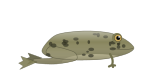
African dwarf frog
Hymenochirus boettgeriA small, fully aquatic frog of up to 2 inches that can share a tank with peaceful fish, as long as it is target-fed.
2 in · 7+ gal · 75–77°F · pH 6.6–7.8 - …
Bladder snail
Physella acutaA small left-coiled snail that usually hitchhikes in on plants; a self-fertilising hermaphrodite, so a single one starts a colony.
0.6 in · 1+ gal · 63–84°F · pH 7–8 - …
Dwarf orange crayfish
Cambarellus patzcuarensisA bright orange crayfish of about 1.5 inches and the only popular crayfish that fits a planted tank with peaceful fish.
1.6 in · 10+ gal · 64–79°F · pH 6.8–8 - …
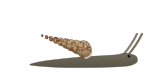
Malaysian trumpet snail
Melanoides tuberculataA cone-shelled snail that lives in the substrate and stirs it; it breeds without a mate and gives birth to live young, so it fills a tank fast.
1 in · 2+ gal · 64–77°F · pH 7–8.5 - …
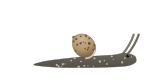
Mystery snail
Pomacea diffusaThe most popular large aquarium snail; it leaves healthy plants alone and lays its eggs above the waterline, so numbers are easy to control.
2.2 in · 7+ gal · 68–82°F · pH 7–8 - …
Ramshorn snail
Planorbarius corneusThe classic flat-coiled snail every fishkeeper knows; it cleans up film and leftovers, breeds easily, and the red form is especially popular.
1.4 in · 4+ gal · 70–81°F · pH 7–8 - …
Black phantom tetra
Hyphessobrycon megalopterusA calm, deep-bodied tetra with a black shoulder patch; males with tall dorsal fins put on harmless sparring displays.
1.4 in · 23+ gal · 72–82°F · pH 6–7 - …
Ember tetra
Hyphessobrycon amandaeA tiny fiery-orange tetra for nano and planted tanks; very peaceful and schools in the middle and upper water.
0.8 in · 13+ gal · 75–82°F · pH 5–7 - …
Endler's livebearer
Poecilia wingeiA tiny, brilliantly coloured cousin of the guppy that suits nano tanks of 10 gallons, but crossbreeds readily with ordinary guppies.
1 in · 13+ gal · 75–86°F · pH 7–8.5 - …
Ghost shrimp
Palaemonetes paludosusA cheap, see-through North American shrimp whose insides are visible; easy to keep, but short-lived and often hard on fry and shrimplets.
1.9 in · 7+ gal · 64–82°F · pH 7–8 - …
Giant danio
Devario aequipinnatusA big, fast danio with blue and gold stripes that needs a long tank, current, very clean water and a tight lid.
3 in · 76+ gal · 72–75°F · pH 6–8 - …
Gold barb
Barbodes semifasciolatusA golden aquarium form of the Chinese green barb; peaceful, hardy and happy in cooler tanks without a heater.
3 in · 26+ gal · 64–75°F · pH 6–8 - …
Head-and-tail-light tetra
Hemigrammus ocelliferAn easygoing tetra with golden 'headlights' by the eye and at the tail base; a classic, undemanding community fish.
1.8 in · 22+ gal · 75–79°F · pH 6–7.5 - …
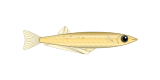
Medaka
Oryzias latipesThe Japanese rice fish: hardy, peaceful and ideal for an unheated tank or a summer pond, with hundreds of ornamental strains.
1.4 in · 13+ gal · 64–72°F · pH 6.5–8.5 - …
Moonlight gourami
Trichopodus microlepisA large silvery gourami with a calm but nervous temperament; it needs a roomy tank, floating plants and quiet tank mates.
5.9 in · 26+ gal · 77–86°F · pH 6–7.5 - …
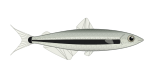
Penguin tetra
Thayeria boehlkeiA schooling tetra with a black 'hockey stick' stripe and a tail-down swimming pose; hardy, peaceful and good in dim, planted tanks.
1.4 in · 22+ gal · 72–82°F · pH 6–8 - …
Pygmy cory
Corydoras pygmaeusThe smallest cory at about an inch, schooling in open water as much as on the bottom; a natural fit for nano tanks with shrimp.
1.2 in · 13+ gal · 72–79°F · pH 6.4–7.4 - …
Spotted hoplo
Megalechis thoracataA tough armoured catfish of about 6 inches that gulps air at the surface; peaceful, with males building bubble nests like gouramis.
5.9 in · 43+ gal · 64–82°F · pH 6–8 - …
Sterba's cory
Corydoras sterbaiA spotted cory with bright orange pectoral fins that takes warmer water than most, making it a classic discus-tank companion.
2.6 in · 13+ gal · 75–82°F · pH 6–7.6 - …
Three-lined cory
Corydoras trilineatusThe spotted, striped cory usually sold as the julii cory; peaceful, easygoing and happy in a group of six over sand.
2.2 in · 13+ gal · 72–79°F · pH 5.8–7.2 - …
Upside-down catfish
Synodontis nigriventrisA small African catfish that swims belly-up to pick food from the surface and the undersides of leaves; peaceful and best in a group.
3.9 in · 22+ gal · 75–82°F · pH 6–7.5 - …
Variatus platy
Xiphophorus variatusA slightly larger, cooler-water relative of the platy; a peaceful livebearer for a community tank with hard water.
2.8 in · 17+ gal · 68–79°F · pH 7–8.2 - …
Weather loach
Misgurnus anguillicaudatusA long, cool-water loach that digs in sand and reacts to pressure changes; a good goldfish companion that reaches up to 11 inches.
11 in · 76+ gal · 64–73°F · pH 6–8 - …
Colombian ramshorn
Marisa cornuarietisA large striped ramshorn from South America that grows to about 2 inches and eats almost every plant, plus other snails' eggs.
1.8 in · 13+ gal · 70–81°F · pH 7–8
And 5 more in the species catalog.
Before the first fish
Cycle the tank first: run the filter for three to six weeks so bacteria can turn fish waste into nitrate. Most beginner losses are ammonia in a new tank, not the choice of fish.
Then add fish in small batches, a week or two apart, starting with the hardiest.
Questions
What is the easiest fish to keep?
Zebra danios, white cloud minnows, platies and bristlenose plecos survive most beginner mistakes. A betta is easy too, on its own or with calm tank mates.
Every tank is different. Set yours up once (size, water, who already lives there) and each species is checked against it.
Plan my tank