Peaceful community fish
These species leave their neighbours alone. Most still need a group of their own kind to feel safe.
- …
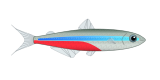
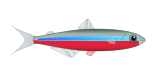
Neon tetra
Paracheirodon innesiThe classic community fish: a tight school of electric-blue stripes that suits planted tanks of 15 gallons and up.
1.2 in · 17+ gal · 70–77°F · pH 5–7 - …
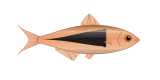
Harlequin rasbora
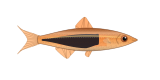
Trigonostigma heteromorphaCopper-orange schooling fish with a black wedge; hardy, calm and a good first school for a 15–20 gallon tank.
1.4 in · 17+ gal · 73–81°F · pH 6–7 - …
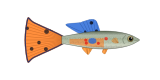
Fancy guppy
Poecilia reticulataColourful livebearers with flowing tails; prefer harder water and breed readily, so plan for fry.
1.4 in · 13+ gal · 75–81°F · pH 7–8 - …
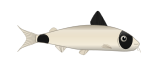
Panda corydoras
Corydoras pandaFriendly armoured catfish that sift the sand in groups; need soft substrate and a group of six or more.
1.6 in · 17+ gal · 72–77°F · pH 6–7.2 - …
Otocinclus
Otocinclus vittatusTiny algae grazers for mature planted tanks; keep six or more and supplement with vegetables.
1.4 in · 17+ gal · 72–79°F · pH 6–7.2 - …
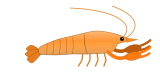
Cherry shrimp
Neocaridina davidiBright red dwarf shrimp that graze all day and breed in a planted tank; tiny bioload, but fry are snacks for most fish.
1.6 in · 4+ gal · 72–75°F · pH 6.5–7.8 - …
Amano shrimp
Caridina multidentataThe best-known algae-eating shrimp, made famous by Takashi Amano; bigger than cherries and a good fit for planted community tanks.
2 in · 7+ gal · 72–77°F · pH 6.5–7.5 - …
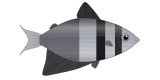
Black neon tetra
Hyphessobrycon herbertaxelrodiA peaceful tetra with a bright white-over-black stripe; hardier than the neon tetra and an easy fit in any calm community tank.
1.4 in · 23+ gal · 73–81°F · pH 5.5–7.5 - …
Black widow tetra
Gymnocorymbus ternetziA hardy, deep-bodied tetra with black 'skirt' fins; easy for beginners, but a small group nips the fins of its tank mates.
2.4 in · 22+ gal · 68–79°F · pH 6–7 - …
Cardinal tetra
Paracheirodon axelrodiThe neon's close cousin, with red running the full length of the belly; a soft, acidic-water schooling fish that likes it warmer than neons.
1.4 in · 17+ gal · 73–81°F · pH 4–6 - …
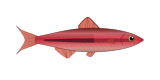
Cherry barb
Puntius titteyaOne of the most peaceful barbs: males glow cherry red and leave fins alone, making it great for planted community tanks.
2 in · 17+ gal · 73–81°F · pH 6–8 - …
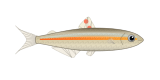
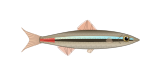
Glowlight tetra
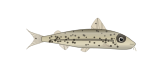
Hemigrammus erythrozonusA small, translucent tetra with a glowing orange stripe along its body; peaceful, hardy and at its best in a densely planted tank.
1.6 in · 22+ gal · 75–82°F · pH 6–7.5 - …
Honey gourami
Trichogaster chunaA small, very gentle honey-coloured gourami for calm tanks of 15 gallons with peaceful tank mates.
2.2 in · 17+ gal · 72–81°F · pH 6–7.5 - …
Platy
Xiphophorus maculatusOne of the easiest livebearers for beginners: peaceful, colourful and undemanding, happiest in moderately hard water with plants.
2.4 in · 17+ gal · 68–79°F · pH 7–8.2 - …
Ram cichlid
Mikrogeophagus ramireziA brilliantly coloured dwarf cichlid from the Orinoco llanos that needs warm, very clean water and calm tank mates.
1.6 in · 17+ gal · 81–86°F · pH 4–7 - …
Rummy-nose tetra
Hemigrammus bleheriA tight-schooling tetra with a bright red nose and striped tail whose colour fades when water quality slips, making it a living warning light.
2 in · 26+ gal · 73–79°F · pH 5.5–6 - …
White Cloud Mountain minnow
Tanichthys albonubesA small, hardy minnow with red fins that needs no heater; ideal for an unheated tank kept at room temperature.
1.6 in · 17+ gal · 64–72°F · pH 6–8 - …
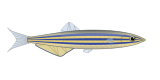
Zebra danio
Danio rerioA fast, striped danio and one of the hardiest beginner fish; schools near the surface and is happy at room temperature.
1.5 in · 26+ gal · 64–75°F · pH 6–8 - …
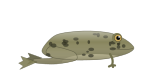
African dwarf frog
Hymenochirus boettgeriA small, fully aquatic frog of up to 2 inches that can share a tank with peaceful fish, as long as it is target-fed.
2 in · 7+ gal · 75–77°F · pH 6.6–7.8 - …
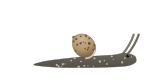
Bladder snail
Physella acutaA small left-coiled snail that usually hitchhikes in on plants; a self-fertilising hermaphrodite, so a single one starts a colony.
0.6 in · 1+ gal · 63–84°F · pH 7–8 - …
Dwarf orange crayfish
Cambarellus patzcuarensisA bright orange crayfish of about 1.5 inches and the only popular crayfish that fits a planted tank with peaceful fish.
1.6 in · 10+ gal · 64–79°F · pH 6.8–8 - …
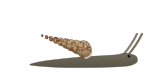
Malaysian trumpet snail
Melanoides tuberculataA cone-shelled snail that lives in the substrate and stirs it; it breeds without a mate and gives birth to live young, so it fills a tank fast.
1 in · 2+ gal · 64–77°F · pH 7–8.5 - …
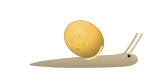
Mystery snail
Pomacea diffusaThe most popular large aquarium snail; it leaves healthy plants alone and lays its eggs above the waterline, so numbers are easy to control.
2.2 in · 7+ gal · 68–82°F · pH 7–8 - …
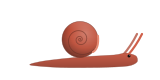
Ramshorn snail
Planorbarius corneusThe classic flat-coiled snail every fishkeeper knows; it cleans up film and leftovers, breeds easily, and the red form is especially popular.
1.4 in · 4+ gal · 70–81°F · pH 7–8 - …
Black phantom tetra
Hyphessobrycon megalopterusA calm, deep-bodied tetra with a black shoulder patch; males with tall dorsal fins put on harmless sparring displays.
1.4 in · 23+ gal · 72–82°F · pH 6–7 - …
Celestial pearl danio
Danio margaritatusA tiny, pearl-spotted danio with orange fins, the star of planted nano tanks; shy, with males sparring constantly.
0.8 in · 13+ gal · 72–75°F · pH 6.5–7.5 - …
Crystal red shrimp
Caridina logemanniThe red-and-white bee shrimp, benchmark of the shrimp hobby; it needs soft, acidic, very stable water, usually on aquasoil and RO water.
1.2 in · 6+ gal · 68–77°F · pH 5.5–7 - …
Dwarf chain loach
Ambastaia sidthimunkiA 2.5-inch loach with a chain-link pattern that shoals near the bottom and in midwater; fits smaller tanks but eats snails and baby shrimp.
2.4 in · 23+ gal · 68–86°F · pH 5.5–7.5 - …
Ember tetra
Hyphessobrycon amandaeA tiny fiery-orange tetra for nano and planted tanks; very peaceful and schools in the middle and upper water.
0.8 in · 13+ gal · 75–82°F · pH 5–7 - …
Endler's livebearer
Poecilia wingeiA tiny, brilliantly coloured cousin of the guppy that suits nano tanks of 10 gallons, but crossbreeds readily with ordinary guppies.
1 in · 13+ gal · 75–86°F · pH 7–8.5 - …
Ghost shrimp
Palaemonetes paludosusA cheap, see-through North American shrimp whose insides are visible; easy to keep, but short-lived and often hard on fry and shrimplets.
1.9 in · 7+ gal · 64–82°F · pH 7–8 - …
Head-and-tail-light tetra
Hemigrammus ocelliferAn easygoing tetra with golden 'headlights' by the eye and at the tail base; a classic, undemanding community fish.
1.8 in · 22+ gal · 75–79°F · pH 6–7.5 - …
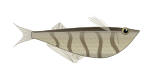
Marbled hatchetfish
Carnegiella strigataA tiny, deep-chested hatchetfish that lives right under the surface; shy and an expert jumper, so a tight lid is a must.
1.4 in · 22+ gal · 75–82°F · pH 5–7 - …
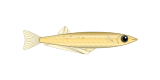
Medaka
Oryzias latipesThe Japanese rice fish: hardy, peaceful and ideal for an unheated tank or a summer pond, with hundreds of ornamental strains.
1.4 in · 13+ gal · 64–72°F · pH 6.5–8.5 - …
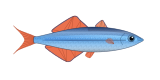
Neon dwarf rainbowfish
Melanotaenia praecoxA small rainbowfish with shimmering blue scales and red fins on the males; shy, schooling and in need of open swimming space.
2 in · 17+ gal · 73–82°F · pH 6.8–7.5 - …
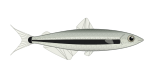
Penguin tetra
Thayeria boehlkeiA schooling tetra with a black 'hockey stick' stripe and a tail-down swimming pose; hardy, peaceful and good in dim, planted tanks.
1.4 in · 22+ gal · 72–82°F · pH 6–8 - …
Pygmy cory
Corydoras pygmaeusThe smallest cory at about an inch, schooling in open water as much as on the bottom; a natural fit for nano tanks with shrimp.
1.2 in · 13+ gal · 72–79°F · pH 6.4–7.4 - …
Three-lined cory
Corydoras trilineatusThe spotted, striped cory usually sold as the julii cory; peaceful, easygoing and happy in a group of six over sand.
2.2 in · 13+ gal · 72–79°F · pH 5.8–7.2 - …
Colombian ramshorn
Marisa cornuarietisA large striped ramshorn from South America that grows to about 2 inches and eats almost every plant, plus other snails' eggs.
1.8 in · 13+ gal · 70–81°F · pH 7–8 - …
Great pond snail
Lymnaea stagnalisA large coldwater pond snail that breathes air at the surface and eats soft plants and other snails' eggs; for coldwater tanks, not tropical planted ones.
2 in · 7+ gal · 50–77°F · pH 7–8.5 - …
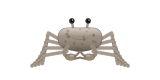
Thai micro crab
Limnopilos naiyanetriThe smallest freshwater crab, with a shell under half an inch; fully aquatic and peaceful, it lives in floating plant roots alongside shrimp.
0.4 in · 6+ gal · 79–82°F · pH 6.5–7 - …
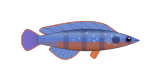
Badis
Badis badisA small chameleon fish that changes colour with its mood; a calm bottom-dwelling hunter that needs caves and live or frozen food.
2.4 in · 23+ gal · 59–77°F · pH 6–7.5 - …
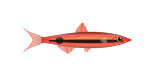
Chili rasbora
Boraras brigittaeOne of the smallest aquarium fish at under an inch: bright red with a dark stripe, made for planted nano tanks with shrimp.
0.8 in · 13+ gal · 77–82°F · pH 6.5–7 - …
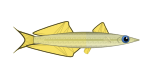
Forktail blue-eye
Pseudomugil furcatusA small blue-eyed fish with yellow, forked fins; a peaceful top-water school for planted tanks with hard water.
2 in · 17+ gal · 75–79°F · pH 7–8 - …
Lambchop rasbora
Trigonostigma espeiA slimmer, more orange cousin of the harlequin rasbora with a 'lambchop' patch; a peaceful school for warm planted tanks.
1.2 in · 17+ gal · 73–82°F · pH 6–6.5 - …
Lyretail killifish
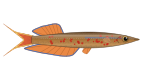
Aphyosemion australeOne of the best-loved non-annual killifish, with a lyre-shaped tail; peaceful, timid, fond of soft water and an excellent jumper.
2.4 in · 9+ gal · 70–75°F · pH 5.5–7 - …
Salt and pepper cory
Corydoras habrosusA dwarf cory of about 1.5 inches that stays on the bottom and needs a wide stretch of fine sand rather than a tiny nano tank.
1.4 in · 17+ gal · 68–79°F · pH 5.5–7.5 - …
Scarlet badis
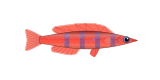
Dario darioA tiny, under-an-inch scarlet fish for nano tanks; it eats mostly live and frozen foods, and males split the tank into territories.
0.8 in · 13+ gal · 64–79°F · pH 6.5–8.5
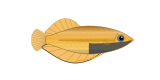
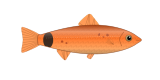
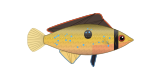
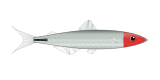
And 1 more in the species catalog.
Every tank is different. Set yours up once (size, water, who already lives there) and each species is checked against it.
Plan my tank