Convict cichlid tank mates
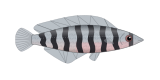
Convict cichlid: aggressive, 5.9 in, kept in groups of 2 or more, swims in the bottom and middle of the tank and needs about 34 gallons. It eats fish that fit in its mouth. The list below checks every species in our catalog against it.
Each species is checked against convict cichlids both ways: mouth size, fin nipping, temperament, territory, water overlap and keeper reports.
Good tank mates
- Fits
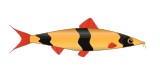
Clown loach
Chromobotia macracanthusA bold orange-and-black loach that lives 20 years and grows over a foot long, so a proper group needs a 6-foot tank.
15.7 in · 202+ gal · 75–86°F · pH 5–7 - Fits
Common pleco
Pterygoplichthys pardalisThe classic store 'algae eater' that grows to nearly two feet, fouls the water and eats less algae with age; a fish for very large tanks only.
22.8 in · 203+ gal · 77–82°F · pH 7–7.5 - Fits
Leopard sailfin pleco
Pterygoplichthys gibbicepsA tall-finned pleco with a brocade pattern that is sold at 2 inches and grows to about 20, needing a very large tank and heavy filtration.
19.7 in · 187+ gal · 77–86°F · pH 5–7 - Fits
Severum
Heros severus / Heros efasciatusA calm, large South American cichlid often kept with angelfish and catfish; eats soft plants and any fish that fits in its mouth.
7.9 in · 76+ gal · 72–84°F · pH 5.5–6.5 - Fits
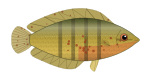
Three spot gourami
Trichopodus trichopterusThe most common gourami: hardy, omnivorous and an air breather, though males can turn quarrelsome, especially when spawning.
5.9 in · 26+ gal · 75–86°F · pH 6–8 - Fits
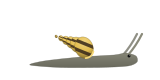
Assassin snail
Anentome helenaA yellow-and-brown striped predatory snail kept to control bladder, ramshorn and trumpet snails; it breeds slowly and never becomes a pest.
1 in · 3+ gal · 70–81°F · pH 7.2–8 - Fits
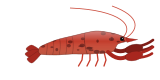
Red swamp crayfish
Procambarus clarkiiA hardy but aggressive American crayfish that digs burrows, wrecks plants and eats snails and fish; invasive in many countries and banned in the EU.
3.9 in · 25+ gal · 68–79°F · pH 7–8.5 - Fits
Redclaw crayfish
Cherax quadricarinatusA large blue-green crayfish with red patches on the claws, up to 8 inches; a predator and plant shredder best kept alone under a tight lid.
7.9 in · 47+ gal · 64–82°F · pH 7.2–8.2 - Fits
Figure eight puffer
Dichotomyctere ocellatusA small puffer with a figure-eight pattern for fresh or slightly brackish water; it loves snails and nips slow tank mates.
3.1 in · 22+ gal · 72–79°F · pH 6.5–7.5 - Fits
Kissing gourami
Helostoma temminckiiThe famous kissing fish grows to about 10 inches and can live over 20 years; its kisses are really contests for dominance.
9.8 in · 95+ gal · 72–86°F · pH 6–8 - Fits
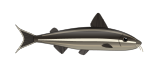
Pictus catfish
Pimelodus pictusA fast, silver, black-spotted catfish with long whiskers, often sold as a bottom cleaner but actually a predator that eats neons and guppies.
4.7 in · 76+ gal · 72–77°F · pH 5.8–6.8 - Fits
Striped Raphael catfish
Platydoras armatulusAn armoured 'talking' catfish with white stripes that is peaceful to fish its size but eats small fish at night and grows to about 9.5 inches.
9.4 in · 34+ gal · 75–86°F · pH 5.8–7.5 - Fits
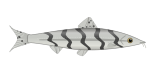
Yoyo loach
Botia almorhaeAn energetic silver-and-black loach of about 6.5 inches that excels at eating snails but can tear the fins of slow, long-finned fish.
6.3 in · 76+ gal · 66–82°F · pH 6–7.5 - Fits
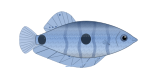
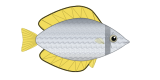
Silver mono
Monodactylus argenteusA silver, diamond-shaped schooling fish from mangroves that moves towards marine water as it grows; it needs a school and a large brackish tank.
6.7 in · 47+ gal · 75–82°F · pH 7.5–8.5
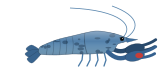
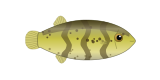
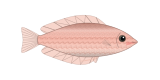
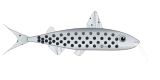
Risky
- With care
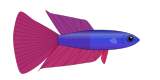
Betta
Betta splendensConvict cichlid can eat young or small Betta; adults are big enough to be safe.
2.8 in · 11+ gal · 72–86°F · pH 6–7.5 - With care
Blood parrot cichlid
hybridConvict cichlid outcompetes the slow-eating Blood parrot cichlid for food; target-feed to make sure it eats.
7.9 in · 36+ gal · 72–82°F · pH 6.5–8 - With care
Blue dolphin cichlid
Cyrtocara mooriiTwo territorial bottom-dwellers: need ≥ 8400 cm² of floor, tank has 5612 cm².
9.8 in · 80+ gal · 77–81°F · pH 8–8.5 - With care
Bristlenose pleco
Ancistrus cf. cirrhosusConvict cichlid (aggressive) will bully the peaceful Bristlenose pleco.
4.9 in · 17+ gal · 70–79°F · pH 5.5–7.5 - With care
Bronze cory
Corydoras aeneusConvict cichlid can eat young or small Bronze cory; adults are big enough to be safe.
3 in · 23+ gal · 70–81°F · pH 6–8 - With care
Chinese algae eater
Gyrinocheilus aymonieriTwo territorial bottom-dwellers: need ≥ 9450 cm² of floor, tank has 5612 cm².
11 in · 95+ gal · 72–79°F · pH 6–8 - With care
Demasoni
Chindongo demasoni (syn. Pseudotropheus demasoni)Convict cichlid can eat young or small Demasoni; adults are big enough to be safe.
3 in · 64+ gal · 75–82°F · pH 8.2–8.5 - With care
Discus
Symphysodon aequifasciatus (species complex)Convict cichlid (aggressive) will bully the peaceful Discus.
5.5 in · 80+ gal · 79–86°F · pH 5–7 - With care
Fairy cichlid
Neolamprologus brichardiConvict cichlid can eat young or small Fairy cichlid (Brichardi); adults are big enough to be safe.
3.5 in · 34+ gal · 73–79°F · pH 8–9 - With care
Firemouth cichlid
Thorichthys meekiTwo territorial bottom-dwellers: need ≥ 6300 cm² of floor, tank has 5612 cm².
4.7 in · 34+ gal · 75–82°F · pH 6.5–8.5 - With care
Golden mbuna
Melanochromis auratusTwo territorial bottom-dwellers: need ≥ 8100 cm² of floor, tank has 5612 cm².
4.3 in · 64+ gal · 75–82°F · pH 7.6–8.8 - With care
Goldfish
Carassius auratusConvict cichlid (aggressive) will bully the peaceful Goldfish.
5.9 in · 24+ gal · 50–75°F · pH 6.5–8
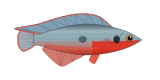
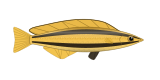
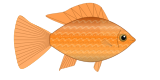
And 52 more in the species catalog.
Avoid
- Avoid
Neon tetra
Paracheirodon innesiConvict cichlid can eat Neon tetra: prey body depth 0.7 cm ≤ mouth 3.8 cm.
1.2 in · 17+ gal · 70–77°F · pH 5–7 - Avoid
Harlequin rasbora
Trigonostigma heteromorphaConvict cichlid can eat Harlequin rasbora: prey body depth 1.1 cm ≤ mouth 3.8 cm.
1.4 in · 17+ gal · 73–81°F · pH 6–7 - Avoid
Fancy guppy
Poecilia reticulataConvict cichlid can eat Fancy guppy: prey body depth 0.8 cm ≤ mouth 3.8 cm.
1.4 in · 13+ gal · 75–81°F · pH 7–8 - Avoid
Panda corydoras
Corydoras pandaConvict cichlid can eat Panda corydoras: prey body depth 2.4 cm ≤ mouth 3.8 cm.
1.6 in · 17+ gal · 72–77°F · pH 6–7.2 - Avoid
Otocinclus
Otocinclus vittatusConvict cichlid can eat Otocinclus: prey body depth 0.7 cm ≤ mouth 3.8 cm.
1.4 in · 17+ gal · 72–79°F · pH 6–7.2 - Avoid
Cherry shrimp
Neocaridina davidiConvict cichlid can eat Cherry shrimp: prey body depth 0.8 cm ≤ mouth 3.8 cm.
1.6 in · 4+ gal · 72–75°F · pH 6.5–7.8 - Avoid
Angelfish
Pterophyllum scalareConvicts attack much larger fish.
3.5 in · 32+ gal · 77–84°F · pH 6–7 - Avoid
Tiger barb
Puntigrus tetrazonaConvict cichlid can eat Tiger barb: prey body depth 2.5 cm ≤ mouth 3.8 cm.
2.2 in · 32+ gal · 72–79°F · pH 6–7.5 - Avoid
Amano shrimp
Caridina multidentataConvict cichlid can eat Amano shrimp: prey body depth 1.0 cm ≤ mouth 3.8 cm.
2 in · 7+ gal · 72–77°F · pH 6.5–7.5 - Avoid
Black neon tetra
Hyphessobrycon herbertaxelrodiConvict cichlid can eat Black neon tetra: prey body depth 0.8 cm ≤ mouth 3.8 cm.
1.4 in · 23+ gal · 73–81°F · pH 5.5–7.5 - Avoid
Black widow tetra
Gymnocorymbus ternetziConvict cichlid can eat Black widow tetra: prey body depth 2.4 cm ≤ mouth 3.8 cm.
2.4 in · 22+ gal · 68–79°F · pH 6–7 - Avoid
Cardinal tetra
Paracheirodon axelrodiConvict cichlid can eat Cardinal tetra: prey body depth 0.8 cm ≤ mouth 3.8 cm.
1.4 in · 17+ gal · 73–81°F · pH 4–6
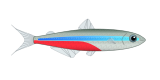
And 59 more in the species catalog.
Every tank is different. Set yours up once (size, water, who already lives there) and each species is checked against it.
Plan my tank