Betta tank mates
Bettas are slow, long-finned and territorial. Good tank mates stay out of their way: bottom dwellers, small calm schools and algae eaters, never fin nippers or other long-finned fish.
Each species is checked against bettas both ways: mouth size, fin nipping, temperament, territory, water overlap and keeper reports.
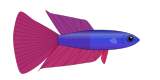
Good tank mates
- Fits
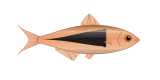
Harlequin rasbora
Trigonostigma heteromorphaCopper-orange schooling fish with a black wedge; hardy, calm and a good first school for a 15–20 gallon tank.
1.4 in · 17+ gal · 73–81°F · pH 6–7 - Fits
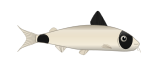
Panda corydoras
Corydoras pandaFriendly armoured catfish that sift the sand in groups; need soft substrate and a group of six or more.
1.6 in · 17+ gal · 72–77°F · pH 6–7.2 - Fits
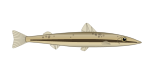
Otocinclus
Otocinclus vittatusTiny algae grazers for mature planted tanks; keep six or more and supplement with vegetables.
1.4 in · 17+ gal · 72–79°F · pH 6–7.2 - Fits
Black neon tetra
Hyphessobrycon herbertaxelrodiA peaceful tetra with a bright white-over-black stripe; hardier than the neon tetra and an easy fit in any calm community tank.
1.4 in · 23+ gal · 73–81°F · pH 5.5–7.5 - Fits
Blood parrot cichlid
hybridA man-made hybrid cichlid with a round body and a beak-like mouth that barely closes; usually gentle and rarely able to swallow tank mates.
7.9 in · 36+ gal · 72–82°F · pH 6.5–8 - Fits
Bristlenose pleco
Ancistrus cf. cirrhosusThe go-to glass cleaner: a compact 5-inch pleco with bushy whiskers on the males that needs a cave and vegetables, not just algae.
4.9 in · 17+ gal · 70–79°F · pH 5.5–7.5 - Fits
Bronze cory
Corydoras aeneusThe most widely kept cory: a tough bronze-green or albino catfish that shoals along the bottom and handles a broad range of water.
3 in · 23+ gal · 70–81°F · pH 6–8 - Fits
Cardinal tetra
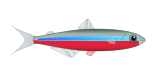
Paracheirodon axelrodiThe neon's close cousin, with red running the full length of the belly; a soft, acidic-water schooling fish that likes it warmer than neons.
1.4 in · 17+ gal · 73–81°F · pH 4–6 - Fits
Cherry barb
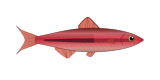
Puntius titteyaOne of the most peaceful barbs: males glow cherry red and leave fins alone, making it great for planted community tanks.
2 in · 17+ gal · 73–81°F · pH 6–8 - Fits
Clown loach
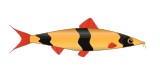
Chromobotia macracanthusA bold orange-and-black loach that lives 20 years and grows over a foot long, so a proper group needs a 6-foot tank.
15.7 in · 202+ gal · 75–86°F · pH 5–7 - Fits
Common pleco
Pterygoplichthys pardalisThe classic store 'algae eater' that grows to nearly two feet, fouls the water and eats less algae with age; a fish for very large tanks only.
22.8 in · 203+ gal · 77–82°F · pH 7–7.5 - Fits
Demasoni
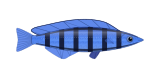
Chindongo demasoni (syn. Pseudotropheus demasoni)A small blue-and-black striped mbuna with outsized aggression; it attacks much larger fish and is kept only in large, crowded groups.
3 in · 64+ gal · 75–82°F · pH 8.2–8.5 - Fits
Discus
Symphysodon aequifasciatus (species complex)The 'king of the aquarium': a disc-shaped Amazon cichlid in countless bred colours that needs warm, soft, very clean water.
5.5 in · 80+ gal · 79–86°F · pH 5–7 - Fits
Fairy cichlid
Neolamprologus brichardiA graceful Tanganyika cichlid with a lyre tail; one pair grows into a family colony that guards its rocks year-round.
3.5 in · 34+ gal · 73–79°F · pH 8–9 - Fits
Firemouth cichlid
Thorichthys meekiA Central American cichlid with a fiery red throat it flares when threatened; fairly calm for a cichlid but territorial when breeding.
4.7 in · 34+ gal · 75–82°F · pH 6.5–8.5 - Fits
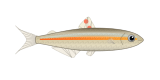
Glowlight tetra
Hemigrammus erythrozonusA small, translucent tetra with a glowing orange stripe along its body; peaceful, hardy and at its best in a densely planted tank.
1.6 in · 22+ gal · 75–82°F · pH 6–7.5 - Fits
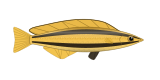
Golden mbuna
Melanochromis auratusA striped gold mbuna and one of the most aggressive Malawi cichlids; it kills rival males, so plan a crowded harem tank of 55 gallons or more.
4.3 in · 64+ gal · 75–82°F · pH 7.6–8.8 - Fits
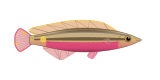
Kribensis
Pelvicachromis pulcherA small West African cichlid whose female has a bright belly; a cave-spawning pair digs pits and guards fry along the bottom.
3.9 in · 23+ gal · 75–81°F · pH 6.5–7 - Fits
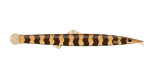
Kuhli loach
Pangio semicinctaA banded, eel-like loach of about 4 inches that burrows by day and explores the bottom as a group in the evening; needs soft sand.
3.9 in · 17+ gal · 70–79°F · pH 3.5–7 - Fits
Leopard sailfin pleco
Pterygoplichthys gibbicepsA tall-finned pleco with a brocade pattern that is sold at 2 inches and grows to about 20, needing a very large tank and heavy filtration.
19.7 in · 187+ gal · 77–86°F · pH 5–7 - Fits
Molly
Poecilia sphenopsA sturdy livebearer that needs hard water and plenty of plant food, and does well in slightly brackish conditions.
3.1 in · 26+ gal · 70–82°F · pH 7–8.5 - Fits
Multies
Neolamprologus multifasciatusThe smallest Tanganyika cichlid, about 2 inches, living in empty snail shells; a colony carves the sand into tiny fiercely guarded plots.
1.8 in · 13+ gal · 77–80°F · pH 8–8.5 - Fits
Peacock cichlid
Aulonocara jacobfreibergiThe peacocks of Lake Malawi: brilliant males, grey females, calmer than mbuna and gentle with plants, but they need fine sand to feed.
6.7 in · 135+ gal · 77–84°F · pH 7.5–9 - Fits
Peppered cory
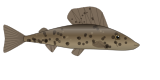
Corydoras paleatusOne of the hardiest corys: a mottled catfish that sifts sand in a group of six and prefers slightly cooler water.
2.8 in · 22+ gal · 72–79°F · pH 6–7
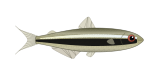
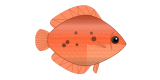
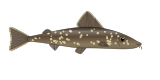
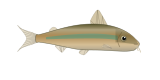
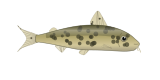
And 59 more in the species catalog.
Risky
- With care
Neon tetra
Paracheirodon innesiUsually fine in 20G+; some bettas chase.
1.2 in · 17+ gal · 70–77°F · pH 5–7 - With care
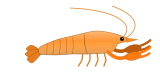
Cherry shrimp
Neocaridina davidiBetta eats dwarf shrimp: Cherry shrimp (some individuals hunt them).
1.6 in · 4+ gal · 72–75°F · pH 6.5–7.8 - With care
Amano shrimp
Caridina multidentataBetta eats dwarf shrimp: Amano shrimp (some individuals hunt them).
2 in · 7+ gal · 72–77°F · pH 6.5–7.5 - With care
Chinese algae eater
Gyrinocheilus aymonieriChinese algae eater eats slow fish: Betta (SF: присасывается к бокам крупных соседей, объедая слизь).
11 in · 95+ gal · 72–79°F · pH 6–8 - With care
Convict cichlid
Amatitlania nigrofasciataConvict cichlid can eat young or small Betta; adults are big enough to be safe.
5.9 in · 34+ gal · 75–82°F · pH 7–8 - With care
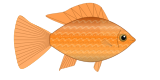
Goldfish
Carassius auratusGoldfish needs cool water; bettas need tropical heat.
5.9 in · 24+ gal · 50–75°F · pH 6.5–8 - With care
Jewel cichlid
Rubricatochromis bimaculatus (syn. Hemichromis bimaculatus)Jewel cichlid can eat young or small Betta; adults are big enough to be safe.
5.9 in · 34+ gal · 72–82°F · pH 6–7.8 - With care
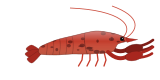
Dwarf orange crayfish
Cambarellus patzcuarensisBetta eats dwarf shrimp: Orange dwarf crayfish (CPO) (some individuals hunt them).
1.6 in · 10+ gal · 64–79°F · pH 6.8–8 - With care
Red swamp crayfish
Procambarus clarkiiRed swamp crayfish eats slow fish: Betta.
3.9 in · 25+ gal · 68–79°F · pH 7–8.5 - With care
Blue acara
Andinoacara pulcherBlue acara can eat young or small Betta; adults are big enough to be safe.
5.9 in · 34+ gal · 72–82°F · pH 6.5–8 - With care
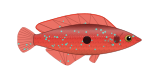
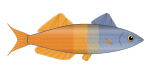
Boeseman's rainbowfish
Melanotaenia boesemaniFast rainbows stress slow bettas.
3.5 in · 34+ gal · 81–86°F · pH 7–8 - With care
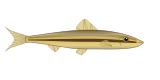
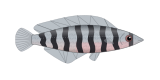
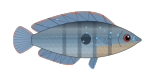
Dwarf chain loach
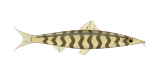
Ambastaia sidthimunkiMay nip long betta fins.
2.4 in · 23+ gal · 68–86°F · pH 5.5–7.5
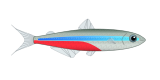
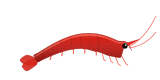
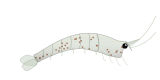
And 8 more in the species catalog.
Avoid
- Avoid
Fancy guppy
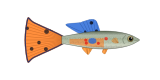
Poecilia reticulataBettas attack guppies’ long fins.
1.4 in · 13+ gal · 75–81°F · pH 7–8 - Avoid
Angelfish
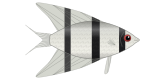
Pterophyllum scalareBoth are territorial; the betta loses fins.
3.5 in · 32+ gal · 77–84°F · pH 6–7 - Avoid
Tiger barb
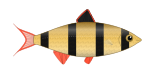
Puntigrus tetrazonaTiger barbs nip betta fins.
2.2 in · 32+ gal · 72–79°F · pH 6–7.5 - Avoid
Black widow tetra
Gymnocorymbus ternetziBlack widows nip betta fins.
2.4 in · 22+ gal · 68–79°F · pH 6–7 - Avoid
Blue dolphin cichlid
Cyrtocara mooriiBlue dolphin cichlid can eat Betta: prey body depth 2.1 cm ≤ mouth 6.3 cm.
9.8 in · 80+ gal · 77–81°F · pH 8–8.5 - Avoid
Dwarf gourami
Trichogaster laliusBetta attacks fish with a similar shape or colour: Dwarf gourami.
3 in · 18+ gal · 72–81°F · pH 6–7.5 - Avoid
Honey gourami
Trichogaster chunaBetta attacks fish with a similar shape or colour: Honey gourami.
2.2 in · 17+ gal · 72–81°F · pH 6–7.5 - Avoid
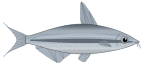
Iridescent shark
Pangasianodon hypophthalmusIridescent shark can eat Betta: prey body depth 2.1 cm ≤ mouth 32.5 cm.
51.2 in · 4532+ gal · 72–79°F · pH 6.5–7.5 - Avoid
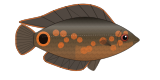
Oscar
Astronotus ocellatusOscar can eat Betta: prey body depth 2.1 cm ≤ mouth 12.3 cm.
13.8 in · 168+ gal · 72–77°F · pH 6–7.5 - Avoid
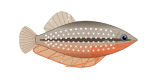
Pearl gourami
Trichopodus leeriiBetta attacks fish with a similar shape or colour: Pearl gourami.
4.7 in · 26+ gal · 75–86°F · pH 5.5–8 - Avoid
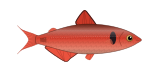
Serpae tetra
Hyphessobrycon equesSerpaes shred betta fins.
1.6 in · 23+ gal · 72–79°F · pH 5–7.5 - Avoid
Severum
Heros severus / Heros efasciatusSeverum can eat Betta: prey body depth 2.1 cm ≤ mouth 5.0 cm.
7.9 in · 76+ gal · 72–84°F · pH 5.5–6.5
And 34 more in the species catalog.
Questions
Can bettas live with guppies?
Usually not: a betta reads a guppy's long, colourful tail as a rival and attacks it.
What size tank does a betta need for tank mates?
Ten gallons for a few shrimp or snails, 20 gallons for a small school or corydoras.
Every tank is different. Set yours up once (size, water, who already lives there) and each species is checked against it.
Plan my tank