Golden mbuna tank mates
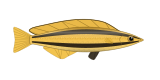
Golden mbuna: aggressive, 4.3 in, kept in groups of 4 or more, swims in the bottom and middle of the tank and needs about 64 gallons. The list below checks every species in our catalog against it.
Each species is checked against golden mbuna both ways: mouth size, fin nipping, temperament, territory, water overlap and keeper reports.
Good tank mates
- Fits
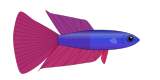
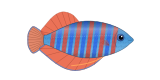
Betta
Betta splendensThe Siamese fighting fish: one male per tank, warm still water, and no long-finned or nippy tank mates.
2.8 in · 11+ gal · 72–86°F · pH 6–7.5 - Fits
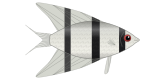
Angelfish
Pterophyllum scalareTall, graceful cichlids for tall tanks of 30 gallons and up; adults eat neon tetras and shrimp, so stock around them.
3.5 in · 32+ gal · 77–84°F · pH 6–7 - Fits
Common pleco
Pterygoplichthys pardalisThe classic store 'algae eater' that grows to nearly two feet, fouls the water and eats less algae with age; a fish for very large tanks only.
22.8 in · 203+ gal · 77–82°F · pH 7–7.5 - Fits
Dwarf gourami
Trichogaster laliusA bright little gourami popular with beginners; one male per tank, no bettas, and buy carefully, as imported fish often carry an incurable iridovirus.
3 in · 18+ gal · 72–81°F · pH 6–7.5 - Fits
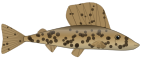
Leopard sailfin pleco
Pterygoplichthys gibbicepsA tall-finned pleco with a brocade pattern that is sold at 2 inches and grows to about 20, needing a very large tank and heavy filtration.
19.7 in · 187+ gal · 77–86°F · pH 5–7 - Fits
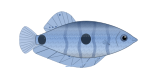
Three spot gourami
Trichopodus trichopterusThe most common gourami: hardy, omnivorous and an air breather, though males can turn quarrelsome, especially when spawning.
5.9 in · 26+ gal · 75–86°F · pH 6–8 - Fits
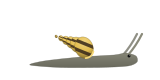
Assassin snail
Anentome helenaA yellow-and-brown striped predatory snail kept to control bladder, ramshorn and trumpet snails; it breeds slowly and never becomes a pest.
1 in · 3+ gal · 70–81°F · pH 7.2–8 - Fits
Red swamp crayfish
Procambarus clarkiiA hardy but aggressive American crayfish that digs burrows, wrecks plants and eats snails and fish; invasive in many countries and banned in the EU.
3.9 in · 25+ gal · 68–79°F · pH 7–8.5 - Fits
Figure eight puffer
Dichotomyctere ocellatusA small puffer with a figure-eight pattern for fresh or slightly brackish water; it loves snails and nips slow tank mates.
3.1 in · 22+ gal · 72–79°F · pH 6.5–7.5 - Fits
Kissing gourami
Helostoma temminckiiThe famous kissing fish grows to about 10 inches and can live over 20 years; its kisses are really contests for dominance.
9.8 in · 95+ gal · 72–86°F · pH 6–8 - Fits
Moonlight gourami
Trichopodus microlepisA large silvery gourami with a calm but nervous temperament; it needs a roomy tank, floating plants and quiet tank mates.
5.9 in · 26+ gal · 77–86°F · pH 6–7.5 - Fits
Paradise fish
Macropodus opercularisOne of Europe's first aquarium fish: a hardy, striped labyrinth fish that lives without a heater, but males are pugnacious.
3.1 in · 23+ gal · 61–72°F · pH 6–8 - Fits
Silver dollar
Metynnis argenteusA large, disc-shaped silver fish related to piranhas but plant-eating; skittish, shoaling and able to strip a planted tank bare.
5.9 in · 81+ gal · 75–82°F · pH 6–7 - Fits
Silver mono
Monodactylus argenteusA silver, diamond-shaped schooling fish from mangroves that moves towards marine water as it grows; it needs a school and a large brackish tank.
6.7 in · 47+ gal · 75–82°F · pH 7.5–8.5
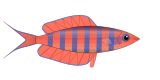
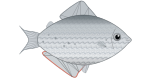
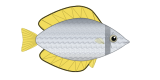
Risky
- With care
Neon tetra
Paracheirodon innesiGolden mbuna attacks fish with a similar shape or colour: Neon tetra.
1.2 in · 17+ gal · 70–77°F · pH 5–7 - With care
Harlequin rasbora
Trigonostigma heteromorphaGolden mbuna attacks fish with a similar shape or colour: Harlequin rasbora.
1.4 in · 17+ gal · 73–81°F · pH 6–7 - With care
Fancy guppy
Poecilia reticulataGolden mbuna attacks fish with a similar shape or colour: Fancy guppy.
1.4 in · 13+ gal · 75–81°F · pH 7–8 - With care
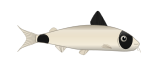
Panda corydoras
Corydoras pandaGolden mbuna (aggressive) will bully the peaceful Panda corydoras.
1.6 in · 17+ gal · 72–77°F · pH 6–7.2 - With care
Otocinclus
Otocinclus vittatusGolden mbuna (aggressive) will bully the peaceful Otocinclus.
1.4 in · 17+ gal · 72–79°F · pH 6–7.2 - With care
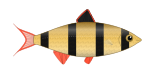
Tiger barb
Puntigrus tetrazonaGolden mbuna attacks fish with a similar shape or colour: Tiger barb.
2.2 in · 32+ gal · 72–79°F · pH 6–7.5 - With care
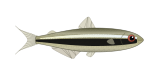
Black neon tetra
Hyphessobrycon herbertaxelrodiGolden mbuna attacks fish with a similar shape or colour: Black neon tetra.
1.4 in · 23+ gal · 73–81°F · pH 5.5–7.5 - With care
Black widow tetra
Gymnocorymbus ternetziGolden mbuna (aggressive) will bully the peaceful Black widow tetra.
2.4 in · 22+ gal · 68–79°F · pH 6–7 - With care
Blood parrot cichlid
hybridGolden mbuna outcompetes the slow-eating Blood parrot cichlid for food; target-feed to make sure it eats.
7.9 in · 36+ gal · 72–82°F · pH 6.5–8 - With care
Bristlenose pleco
Ancistrus cf. cirrhosusGolden mbuna (aggressive) will bully the peaceful Bristlenose pleco.
4.9 in · 17+ gal · 70–79°F · pH 5.5–7.5 - With care
Bronze cory
Corydoras aeneusGolden mbuna attacks fish with a similar shape or colour: Bronze cory.
3 in · 23+ gal · 70–81°F · pH 6–8 - With care
Cardinal tetra
Paracheirodon axelrodiGolden mbuna attacks fish with a similar shape or colour: Cardinal tetra.
1.4 in · 17+ gal · 73–81°F · pH 4–6
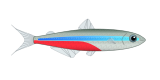
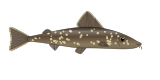
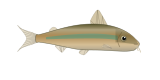
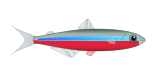
And 93 more in the species catalog.
Avoid
- Avoid
Cherry shrimp
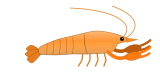
Neocaridina davidiGolden mbuna eats dwarf shrimp: Cherry shrimp (PROP: мбуна поедают мелких беспозвоночных).
1.6 in · 4+ gal · 72–75°F · pH 6.5–7.8 - Avoid
Amano shrimp
Caridina multidentataGolden mbuna eats dwarf shrimp: Amano shrimp (PROP: мбуна поедают мелких беспозвоночных).
2 in · 7+ gal · 72–77°F · pH 6.5–7.5 - Avoid
Blue dolphin cichlid
Cyrtocara mooriiBlue dolphin cichlid can eat Golden mbuna: prey body depth 2.4 cm ≤ mouth 6.3 cm.
9.8 in · 80+ gal · 77–81°F · pH 8–8.5 - Avoid
Iridescent shark
Pangasianodon hypophthalmusIridescent shark can eat Golden mbuna: prey body depth 2.4 cm ≤ mouth 32.5 cm.
51.2 in · 4532+ gal · 72–79°F · pH 6.5–7.5 - Avoid
Oscar
Astronotus ocellatusOscar can eat Golden mbuna: prey body depth 2.4 cm ≤ mouth 12.3 cm.
13.8 in · 168+ gal · 72–77°F · pH 6–7.5 - Avoid
Peacock cichlid
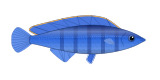
Aulonocara jacobfreibergiToo aggressive for calm peacock cichlids.
6.7 in · 135+ gal · 77–84°F · pH 7.5–9 - Avoid
African clawed frog
Xenopus laevisAfrican clawed frog should only be kept in a single-species tank.
5.9 in · 13+ gal · 63–75°F · pH 6.8–7.8 - Avoid
Dwarf orange crayfish
Cambarellus patzcuarensisGolden mbuna eats dwarf shrimp: Orange dwarf crayfish (CPO) (PROP: мбуна поедают мелких беспозвоночных).
1.6 in · 10+ gal · 64–79°F · pH 6.8–8 - Avoid
Marbled crayfish
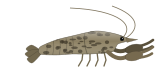
Procambarus virginalisMarbled crayfish should only be kept in a single-species tank.
3.9 in · 19+ gal · 64–77°F · pH 7–8 - Avoid
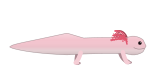
Axolotl
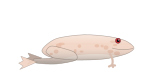
Ambystoma mexicanumAxolotl can eat Golden mbuna: prey body depth 2.4 cm ≤ mouth 7.5 cm.
9.8 in · 13+ gal · 57–68°F · pH 6.5–8 - Avoid
Bala shark
Balantiocheilos melanopterusSilver shark can eat Golden mbuna: prey body depth 2.4 cm ≤ mouth 8.8 cm.
13.8 in · 269+ gal · 72–82°F · pH 6–8 - Avoid
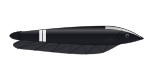
Black ghost knifefish
Apteronotus albifronsBlack ghost knifefish can eat Golden mbuna: prey body depth 2.4 cm ≤ mouth 10.0 cm.
19.7 in · 202+ gal · 73–82°F · pH 6–8
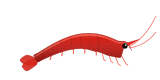
And 18 more in the species catalog.
Every tank is different. Set yours up once (size, water, who already lives there) and each species is checked against it.
Plan my tank