Cardinal tetra tank mates
Cardinal tetra: peaceful, 1.4 in, kept in groups of 8 or more, swims in the middle of the tank and needs about 17 gallons. The list below checks every species in our catalog against it.
Each species is checked against cardinal tetras both ways: mouth size, fin nipping, temperament, territory, water overlap and keeper reports.
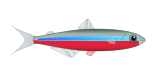
Good tank mates
- Fits
Neon tetra
Paracheirodon innesiThe classic community fish: a tight school of electric-blue stripes that suits planted tanks of 15 gallons and up.
1.2 in · 17+ gal · 70–77°F · pH 5–7 - Fits
Harlequin rasbora
Trigonostigma heteromorphaCopper-orange schooling fish with a black wedge; hardy, calm and a good first school for a 15–20 gallon tank.
1.4 in · 17+ gal · 73–81°F · pH 6–7 - Fits
Fancy guppy
Poecilia reticulataColourful livebearers with flowing tails; prefer harder water and breed readily, so plan for fry.
1.4 in · 13+ gal · 75–81°F · pH 7–8 - Fits
Panda corydoras
Corydoras pandaFriendly armoured catfish that sift the sand in groups; need soft substrate and a group of six or more.
1.6 in · 17+ gal · 72–77°F · pH 6–7.2 - Fits
Otocinclus
Otocinclus vittatusTiny algae grazers for mature planted tanks; keep six or more and supplement with vegetables.
1.4 in · 17+ gal · 72–79°F · pH 6–7.2 - Fits
Cherry shrimp
Neocaridina davidiBright red dwarf shrimp that graze all day and breed in a planted tank; tiny bioload, but fry are snacks for most fish.
1.6 in · 4+ gal · 72–75°F · pH 6.5–7.8 - Fits
Betta
Betta splendensThe Siamese fighting fish: one male per tank, warm still water, and no long-finned or nippy tank mates.
2.8 in · 11+ gal · 72–86°F · pH 6–7.5 - Fits
Tiger barb
Puntigrus tetrazonaBold, fast barbs that nip fins; great in a busy group of ten, a poor match for slow or long-finned fish.
2.2 in · 32+ gal · 72–79°F · pH 6–7.5 - Fits
Amano shrimp
Caridina multidentataThe best-known algae-eating shrimp, made famous by Takashi Amano; bigger than cherries and a good fit for planted community tanks.
2 in · 7+ gal · 72–77°F · pH 6.5–7.5 - Fits
Black neon tetra
Hyphessobrycon herbertaxelrodiA peaceful tetra with a bright white-over-black stripe; hardier than the neon tetra and an easy fit in any calm community tank.
1.4 in · 23+ gal · 73–81°F · pH 5.5–7.5 - Fits
Black widow tetra
Gymnocorymbus ternetziA hardy, deep-bodied tetra with black 'skirt' fins; easy for beginners, but a small group nips the fins of its tank mates.
2.4 in · 22+ gal · 68–79°F · pH 6–7 - Fits
Blood parrot cichlid
hybridA man-made hybrid cichlid with a round body and a beak-like mouth that barely closes; usually gentle and rarely able to swallow tank mates.
7.9 in · 36+ gal · 72–82°F · pH 6.5–8 - Fits
Bristlenose pleco
Ancistrus cf. cirrhosusThe go-to glass cleaner: a compact 5-inch pleco with bushy whiskers on the males that needs a cave and vegetables, not just algae.
4.9 in · 17+ gal · 70–79°F · pH 5.5–7.5 - Fits
Bronze cory
Corydoras aeneusThe most widely kept cory: a tough bronze-green or albino catfish that shoals along the bottom and handles a broad range of water.
3 in · 23+ gal · 70–81°F · pH 6–8 - Fits
Cherry barb
Puntius titteyaOne of the most peaceful barbs: males glow cherry red and leave fins alone, making it great for planted community tanks.
2 in · 17+ gal · 73–81°F · pH 6–8 - Fits
Common pleco
Pterygoplichthys pardalisThe classic store 'algae eater' that grows to nearly two feet, fouls the water and eats less algae with age; a fish for very large tanks only.
22.8 in · 203+ gal · 77–82°F · pH 7–7.5 - Fits
Discus
Symphysodon aequifasciatus (species complex)The 'king of the aquarium': a disc-shaped Amazon cichlid in countless bred colours that needs warm, soft, very clean water.
5.5 in · 80+ gal · 79–86°F · pH 5–7 - Fits
Dwarf gourami
Trichogaster laliusA bright little gourami popular with beginners; one male per tank, no bettas, and buy carefully, as imported fish often carry an incurable iridovirus.
3 in · 18+ gal · 72–81°F · pH 6–7.5 - Fits
Fairy cichlid
Neolamprologus brichardiA graceful Tanganyika cichlid with a lyre tail; one pair grows into a family colony that guards its rocks year-round.
3.5 in · 34+ gal · 73–79°F · pH 8–9 - Fits
Glowlight tetra
Hemigrammus erythrozonusA small, translucent tetra with a glowing orange stripe along its body; peaceful, hardy and at its best in a densely planted tank.
1.6 in · 22+ gal · 75–82°F · pH 6–7.5 - Fits
Honey gourami
Trichogaster chunaA small, very gentle honey-coloured gourami for calm tanks of 15 gallons with peaceful tank mates.
2.2 in · 17+ gal · 72–81°F · pH 6–7.5 - Fits
Kribensis
Pelvicachromis pulcherA small West African cichlid whose female has a bright belly; a cave-spawning pair digs pits and guards fry along the bottom.
3.9 in · 23+ gal · 75–81°F · pH 6.5–7 - Fits
Kuhli loach
Pangio semicinctaA banded, eel-like loach of about 4 inches that burrows by day and explores the bottom as a group in the evening; needs soft sand.
3.9 in · 17+ gal · 70–79°F · pH 3.5–7 - Fits
Leopard sailfin pleco
Pterygoplichthys gibbicepsA tall-finned pleco with a brocade pattern that is sold at 2 inches and grows to about 20, needing a very large tank and heavy filtration.
19.7 in · 187+ gal · 77–86°F · pH 5–7
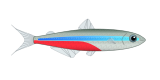
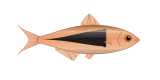
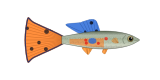
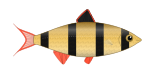
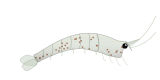
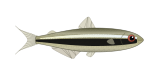
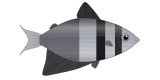
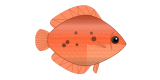
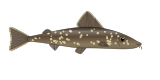
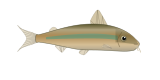
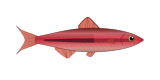
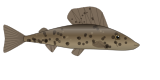
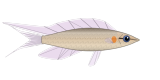
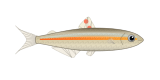
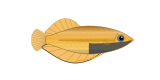
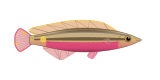
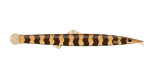
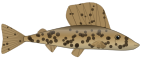
And 65 more in the species catalog.
Risky
- With care
Chinese algae eater
Gyrinocheilus aymonieriChinese algae eater attacks fish with a similar shape or colour: Cardinal tetra.
11 in · 95+ gal · 72–79°F · pH 6–8 - With care
Clown loach
Chromobotia macracanthusClown loach attacks fish with a similar shape or colour: Cardinal tetra.
15.7 in · 202+ gal · 75–86°F · pH 5–7 - With care
Demasoni
Chindongo demasoni (syn. Pseudotropheus demasoni)Demasoni attacks fish with a similar shape or colour: Cardinal tetra.
3 in · 64+ gal · 75–82°F · pH 8.2–8.5 - With care
Golden mbuna
Melanochromis auratusGolden mbuna attacks fish with a similar shape or colour: Cardinal tetra.
4.3 in · 64+ gal · 75–82°F · pH 7.6–8.8 - With care
Peacock cichlid
Aulonocara jacobfreibergiMalawi butterfly peacock attacks fish with a similar shape or colour: Cardinal tetra.
6.7 in · 135+ gal · 77–84°F · pH 7.5–9 - With care
Rainbow shark
Epalzeorhynchos frenatumRainbow shark attacks fish with a similar shape or colour: Cardinal tetra.
5.9 in · 76+ gal · 75–79°F · pH 6.5–8 - With care
Red-tailed black shark
Epalzeorhynchos bicolorRed-tailed black shark attacks fish with a similar shape or colour: Cardinal tetra.
4.9 in · 76+ gal · 72–79°F · pH 6.5–7.5 - With care
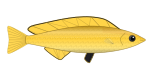
Yellow lab
Labidochromis caeruleusYellow lab attacks fish with a similar shape or colour: Cardinal tetra.
3.2 in · 64+ gal · 73–79°F · pH 7.8–8.5 - With care
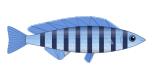
Zebra mbuna
Maylandia zebraZebra mbuna attacks fish with a similar shape or colour: Cardinal tetra.
6 in · 64+ gal · 77–80°F · pH 8–8.5 - With care
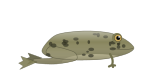
African dwarf frog
Hymenochirus boettgeriAfrican dwarf frog eats small fish: Cardinal tetra (очень мелкие рыбы и мальки).
2 in · 7+ gal · 75–77°F · pH 6.6–7.8 - With care
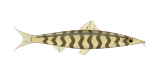
Dwarf chain loach
Ambastaia sidthimunkiDwarf chain loach attacks fish with a similar shape or colour: Cardinal tetra.
2.4 in · 23+ gal · 68–86°F · pH 5.5–7.5 - With care
Yoyo loach
Botia almorhaeYoyo loach attacks fish with a similar shape or colour: Cardinal tetra.
6.3 in · 76+ gal · 66–82°F · pH 6–7.5
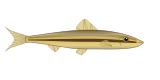
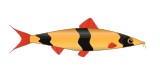
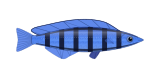
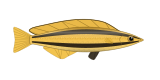
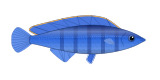
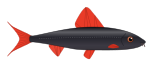
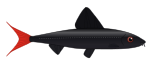
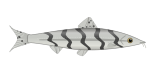
And 1 more in the species catalog.
Avoid
- Avoid
Angelfish
Pterophyllum scalareAngelfish can eat Cardinal tetra: prey body depth 0.8 cm ≤ mouth 2.3 cm.
3.5 in · 32+ gal · 77–84°F · pH 6–7 - Avoid
Blue dolphin cichlid
Cyrtocara mooriiBlue dolphin cichlid can eat Cardinal tetra: prey body depth 0.8 cm ≤ mouth 6.3 cm.
9.8 in · 80+ gal · 77–81°F · pH 8–8.5 - Avoid
Convict cichlid
Amatitlania nigrofasciataConvict cichlid can eat Cardinal tetra: prey body depth 0.8 cm ≤ mouth 3.8 cm.
5.9 in · 34+ gal · 75–82°F · pH 7–8 - Avoid
Firemouth cichlid
Thorichthys meekiFiremouth cichlid can eat Cardinal tetra: prey body depth 0.8 cm ≤ mouth 3.0 cm.
4.7 in · 34+ gal · 75–82°F · pH 6.5–8.5 - Avoid
Goldfish
Carassius auratusGoldfish can eat Cardinal tetra: prey body depth 0.8 cm ≤ mouth 3.0 cm.
5.9 in · 24+ gal · 50–75°F · pH 6.5–8 - Avoid
Iridescent shark
Pangasianodon hypophthalmusIridescent shark can eat Cardinal tetra: prey body depth 0.8 cm ≤ mouth 32.5 cm.
51.2 in · 4532+ gal · 72–79°F · pH 6.5–7.5 - Avoid
Jewel cichlid
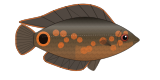
Rubricatochromis bimaculatus (syn. Hemichromis bimaculatus)Jewel cichlid can eat Cardinal tetra: prey body depth 0.8 cm ≤ mouth 3.8 cm.
5.9 in · 34+ gal · 72–82°F · pH 6–7.8 - Avoid
Oscar
Astronotus ocellatusOscar can eat Cardinal tetra: prey body depth 0.8 cm ≤ mouth 12.3 cm.
13.8 in · 168+ gal · 72–77°F · pH 6–7.5 - Avoid
Severum
Heros severus / Heros efasciatusSeverum can eat Cardinal tetra: prey body depth 0.8 cm ≤ mouth 5.0 cm.
7.9 in · 76+ gal · 72–84°F · pH 5.5–6.5 - Avoid
Three spot gourami
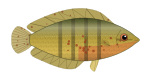
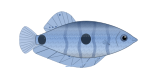
Trichopodus trichopterusThree spot gourami can eat Cardinal tetra: prey body depth 0.8 cm ≤ mouth 3.8 cm.
5.9 in · 26+ gal · 75–86°F · pH 6–8 - Avoid
African clawed frog
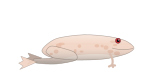
Xenopus laevisAfrican clawed frog can eat Cardinal tetra: prey body depth 0.8 cm ≤ mouth 6.0 cm.
5.9 in · 13+ gal · 63–75°F · pH 6.8–7.8 - Avoid
Marbled crayfish
Procambarus virginalisMarbled crayfish can eat Cardinal tetra: prey body depth 0.8 cm ≤ mouth 2.5 cm.
3.9 in · 19+ gal · 64–77°F · pH 7–8
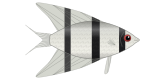
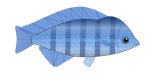
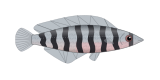
And 35 more in the species catalog.
Every tank is different. Set yours up once (size, water, who already lives there) and each species is checked against it.
Plan my tank