Yellow lab tank mates
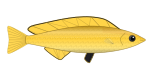
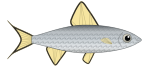
Yellow lab: semi-aggressive, 3.2 in, kept in groups of 3 or more, swims in the bottom and middle of the tank and needs about 64 gallons. The list below checks every species in our catalog against it.
Each species is checked against yellow labs both ways: mouth size, fin nipping, temperament, territory, water overlap and keeper reports.
Good tank mates
- Fits
Panda corydoras
Corydoras pandaFriendly armoured catfish that sift the sand in groups; need soft substrate and a group of six or more.
1.6 in · 17+ gal · 72–77°F · pH 6–7.2 - Fits
Otocinclus
Otocinclus vittatusTiny algae grazers for mature planted tanks; keep six or more and supplement with vegetables.
1.4 in · 17+ gal · 72–79°F · pH 6–7.2 - Fits
Betta
Betta splendensThe Siamese fighting fish: one male per tank, warm still water, and no long-finned or nippy tank mates.
2.8 in · 11+ gal · 72–86°F · pH 6–7.5 - Fits
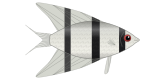
Angelfish
Pterophyllum scalareTall, graceful cichlids for tall tanks of 30 gallons and up; adults eat neon tetras and shrimp, so stock around them.
3.5 in · 32+ gal · 77–84°F · pH 6–7 - Fits
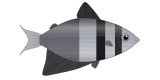
Black widow tetra
Gymnocorymbus ternetziA hardy, deep-bodied tetra with black 'skirt' fins; easy for beginners, but a small group nips the fins of its tank mates.
2.4 in · 22+ gal · 68–79°F · pH 6–7 - Fits
Blood parrot cichlid
hybridA man-made hybrid cichlid with a round body and a beak-like mouth that barely closes; usually gentle and rarely able to swallow tank mates.
7.9 in · 36+ gal · 72–82°F · pH 6.5–8 - Fits
Common pleco
Pterygoplichthys pardalisThe classic store 'algae eater' that grows to nearly two feet, fouls the water and eats less algae with age; a fish for very large tanks only.
22.8 in · 203+ gal · 77–82°F · pH 7–7.5 - Fits
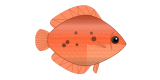
Discus
Symphysodon aequifasciatus (species complex)The 'king of the aquarium': a disc-shaped Amazon cichlid in countless bred colours that needs warm, soft, very clean water.
5.5 in · 80+ gal · 79–86°F · pH 5–7 - Fits
Dwarf gourami
Trichogaster laliusA bright little gourami popular with beginners; one male per tank, no bettas, and buy carefully, as imported fish often carry an incurable iridovirus.
3 in · 18+ gal · 72–81°F · pH 6–7.5 - Fits
Honey gourami
Trichogaster chunaA small, very gentle honey-coloured gourami for calm tanks of 15 gallons with peaceful tank mates.
2.2 in · 17+ gal · 72–81°F · pH 6–7.5 - Fits
Kuhli loach
Pangio semicinctaA banded, eel-like loach of about 4 inches that burrows by day and explores the bottom as a group in the evening; needs soft sand.
3.9 in · 17+ gal · 70–79°F · pH 3.5–7 - Fits
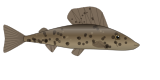
Leopard sailfin pleco
Pterygoplichthys gibbicepsA tall-finned pleco with a brocade pattern that is sold at 2 inches and grows to about 20, needing a very large tank and heavy filtration.
19.7 in · 187+ gal · 77–86°F · pH 5–7 - Fits
Pearl gourami
Trichopodus leeriiOne of the calmest and most beautiful gouramis, covered in pearly spots; ideal for a quiet planted tank with floating plants.
4.7 in · 26+ gal · 75–86°F · pH 5.5–8 - Fits
African dwarf frog
Hymenochirus boettgeriA small, fully aquatic frog of up to 2 inches that can share a tank with peaceful fish, as long as it is target-fed.
2 in · 7+ gal · 75–77°F · pH 6.6–7.8 - Fits
Assassin snail
Anentome helenaA yellow-and-brown striped predatory snail kept to control bladder, ramshorn and trumpet snails; it breeds slowly and never becomes a pest.
1 in · 3+ gal · 70–81°F · pH 7.2–8 - Fits
Mystery snail
Pomacea diffusaThe most popular large aquarium snail; it leaves healthy plants alone and lays its eggs above the waterline, so numbers are easy to control.
2.2 in · 7+ gal · 68–82°F · pH 7–8 - Fits
Red swamp crayfish
Procambarus clarkiiA hardy but aggressive American crayfish that digs burrows, wrecks plants and eats snails and fish; invasive in many countries and banned in the EU.
3.9 in · 25+ gal · 68–79°F · pH 7–8.5 - Fits
Bamboo shrimp
Atyopsis moluccensisA large, fully peaceful shrimp that catches floating food with fans on its front legs; it needs strong flow and a mature tank or it starves.
3.1 in · 17+ gal · 73–82°F · pH 6.5–7.5 - Fits
Black phantom tetra
Hyphessobrycon megalopterusA calm, deep-bodied tetra with a black shoulder patch; males with tall dorsal fins put on harmless sparring displays.
1.4 in · 23+ gal · 72–82°F · pH 6–7 - Fits
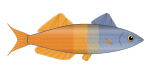
Boeseman's rainbowfish
Melanotaenia boesemaniA two-tone rainbowfish, blue-violet in front and orange behind; needs warm, hard, alkaline water and a long tank.
3.5 in · 34+ gal · 81–86°F · pH 7–8 - Fits
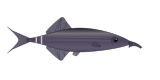
Elephantnose fish
Gnathonemus petersiiAn African fish that finds food with a weak electric field and a long trunk-like chin; nocturnal, very sensitive and in need of sand.
8.9 in · 76+ gal · 73–82°F · pH 6–7.5 - Fits
Figure eight puffer
Dichotomyctere ocellatusA small puffer with a figure-eight pattern for fresh or slightly brackish water; it loves snails and nips slow tank mates.
3.1 in · 22+ gal · 72–79°F · pH 6.5–7.5 - Fits
Kissing gourami
Helostoma temminckiiThe famous kissing fish grows to about 10 inches and can live over 20 years; its kisses are really contests for dominance.
9.8 in · 95+ gal · 72–86°F · pH 6–8 - Fits
Marbled hatchetfish
Carnegiella strigataA tiny, deep-chested hatchetfish that lives right under the surface; shy and an expert jumper, so a tight lid is a must.
1.4 in · 22+ gal · 75–82°F · pH 5–7
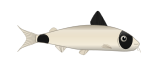
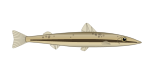
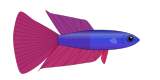
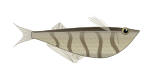
And 7 more in the species catalog.
Risky
- With care
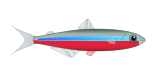
Neon tetra
Paracheirodon innesiYellow lab attacks fish with a similar shape or colour: Neon tetra.
1.2 in · 17+ gal · 70–77°F · pH 5–7 - With care
Harlequin rasbora
Trigonostigma heteromorphaYellow lab attacks fish with a similar shape or colour: Harlequin rasbora.
1.4 in · 17+ gal · 73–81°F · pH 6–7 - With care
Fancy guppy
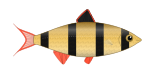
Poecilia reticulataYellow lab attacks fish with a similar shape or colour: Fancy guppy.
1.4 in · 13+ gal · 75–81°F · pH 7–8 - With care
Tiger barb
Puntigrus tetrazonaYellow lab attacks fish with a similar shape or colour: Tiger barb.
2.2 in · 32+ gal · 72–79°F · pH 6–7.5 - With care
Black neon tetra
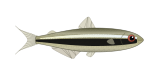
Hyphessobrycon herbertaxelrodiYellow lab attacks fish with a similar shape or colour: Black neon tetra.
1.4 in · 23+ gal · 73–81°F · pH 5.5–7.5 - With care
Bristlenose pleco
Ancistrus cf. cirrhosusTwo territorial bottom-dwellers: need ≥ 7200 cm² of floor, tank has 5612 cm².
4.9 in · 17+ gal · 70–79°F · pH 5.5–7.5 - With care
Bronze cory
Corydoras aeneusYellow lab attacks fish with a similar shape or colour: Bronze cory.
3 in · 23+ gal · 70–81°F · pH 6–8 - With care
Cardinal tetra
Paracheirodon axelrodiYellow lab attacks fish with a similar shape or colour: Cardinal tetra.
1.4 in · 17+ gal · 73–81°F · pH 4–6 - With care
Cherry barb
Puntius titteyaYellow lab attacks fish with a similar shape or colour: Cherry barb.
2 in · 17+ gal · 73–81°F · pH 6–8 - With care
Chinese algae eater
Gyrinocheilus aymonieriYellow lab attacks fish with a similar shape or colour: Chinese algae eater.
11 in · 95+ gal · 72–79°F · pH 6–8 - With care
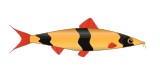
Clown loach
Chromobotia macracanthusYellow lab attacks fish with a similar shape or colour: Clown loach.
15.7 in · 202+ gal · 75–86°F · pH 5–7 - With care
Convict cichlid
Amatitlania nigrofasciataConvict cichlid can eat young or small Yellow lab; adults are big enough to be safe.
5.9 in · 34+ gal · 75–82°F · pH 7–8
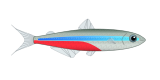
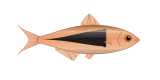
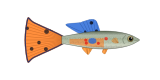
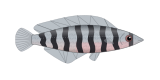
And 72 more in the species catalog.
Avoid
- Avoid
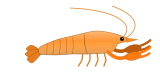
Cherry shrimp
Neocaridina davidiYellow lab eats dwarf shrimp: Cherry shrimp (PROP: насекомоядная мбуна).
1.6 in · 4+ gal · 72–75°F · pH 6.5–7.8 - Avoid
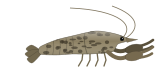
Amano shrimp
Caridina multidentataYellow lab eats dwarf shrimp: Amano shrimp (PROP: насекомоядная мбуна).
2 in · 7+ gal · 72–77°F · pH 6.5–7.5 - Avoid
Blue dolphin cichlid
Cyrtocara mooriiBlue dolphin cichlid can eat Yellow lab: prey body depth 1.8 cm ≤ mouth 6.3 cm.
9.8 in · 80+ gal · 77–81°F · pH 8–8.5 - Avoid
Iridescent shark
Pangasianodon hypophthalmusIridescent shark can eat Yellow lab: prey body depth 1.8 cm ≤ mouth 32.5 cm.
51.2 in · 4532+ gal · 72–79°F · pH 6.5–7.5 - Avoid
Oscar
Astronotus ocellatusOscar can eat Yellow lab: prey body depth 1.8 cm ≤ mouth 12.3 cm.
13.8 in · 168+ gal · 72–77°F · pH 6–7.5 - Avoid
Severum
Heros severus / Heros efasciatusSeverum can eat Yellow lab: prey body depth 1.8 cm ≤ mouth 5.0 cm.
7.9 in · 76+ gal · 72–84°F · pH 5.5–6.5 - Avoid
African clawed frog
Xenopus laevisAfrican clawed frog should only be kept in a single-species tank.
5.9 in · 13+ gal · 63–75°F · pH 6.8–7.8 - Avoid
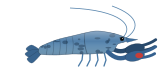
Dwarf orange crayfish
Cambarellus patzcuarensisYellow lab eats dwarf shrimp: Orange dwarf crayfish (CPO) (PROP: насекомоядная мбуна).
1.6 in · 10+ gal · 64–79°F · pH 6.8–8 - Avoid
Marbled crayfish
Procambarus virginalisMarbled crayfish should only be kept in a single-species tank.
3.9 in · 19+ gal · 64–77°F · pH 7–8 - Avoid
Redclaw crayfish
Cherax quadricarinatusRedclaw crayfish can eat Yellow lab: prey body depth 1.8 cm ≤ mouth 5.0 cm.
7.9 in · 47+ gal · 64–82°F · pH 7.2–8.2 - Avoid
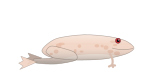
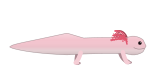
Axolotl
Ambystoma mexicanumAxolotl can eat Yellow lab: prey body depth 1.8 cm ≤ mouth 7.5 cm.
9.8 in · 13+ gal · 57–68°F · pH 6.5–8 - Avoid
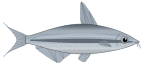
Bala shark
Balantiocheilos melanopterusSilver shark can eat Yellow lab: prey body depth 1.8 cm ≤ mouth 8.8 cm.
13.8 in · 269+ gal · 72–82°F · pH 6–8
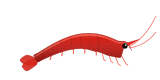
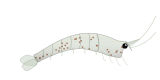
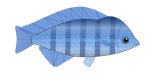
And 22 more in the species catalog.
Every tank is different. Set yours up once (size, water, who already lives there) and each species is checked against it.
Plan my tank